







Choosing a new screen in 2026 often leads buyers to the same question: QLED or Mini LED?
Both terms appear across product listings, reviews, and showroom displays, yet their real differences are not always clear. While they share an LCD foundation, each technology focuses on different priorities in brightness control, contrast, and viewing experience.
This article breaks down QLED vs Mini LED in clear, practical terms, helping you quickly decide which option best fits your space, usage, and expectations.
Quick Verdict: QLED vs Mini LED
For most buyers in 2026, Mini LED is the better choice due to its stronger contrast performance, more accurate brightness control, and greater consistency over time. QLED still makes sense for users who want a large screen at a lower cost and mainly watch TV in casual, everyday scenarios.
Core Differences That Actually Matter
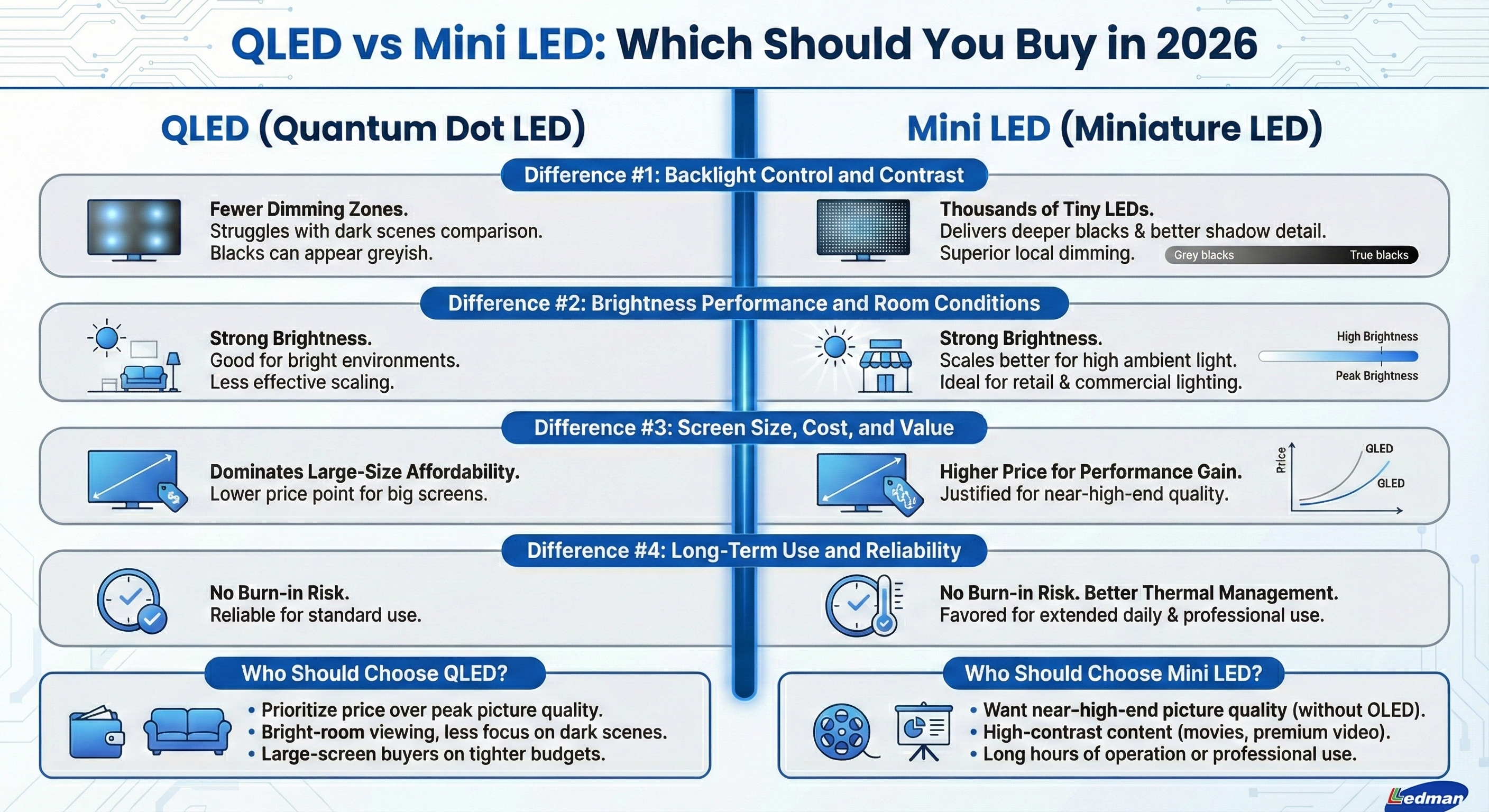
Difference #1: Backlight Control and Contrast
The most noticeable difference appears in real viewing conditions, especially when watching movies or series with dark scenes.
Mini LED uses a more refined backlight system that allows light to be controlled in smaller zones, which results in darker blacks and clearer shadow details. Dark scenes look more layered and controlled rather than washed out.
QLED relies on a broader backlight approach, which limits how precisely light can be managed. In dim scenes, this often leads to visible glow around bright objects and reduced detail in shadows, making contrast less convincing in direct comparison.
Difference #2: Brightness Performance and Room Conditions
Both QLED and Mini LED perform well in bright environments, making them suitable for daytime viewing and well lit spaces.
Mini LED, however, maintains better balance when brightness levels increase. Highlights remain controlled while darker areas stay visible.
In retail spaces, living rooms with large windows, or commercial environments with overhead lighting, Mini LED adapts more effectively. QLED still delivers strong brightness but can lose depth and consistency when pushed in demanding lighting conditions.
Difference #3: Screen Size, Cost, and Value
Cost plays a major role in this comparison.
QLED models are widely available in very large screen sizes at more accessible prices, which makes them appealing for buyers focused on scale and budget. For general TV watching, this value proposition remains strong.
Mini LED typically comes at a higher price, especially as screen size increases. The added cost makes sense when improved contrast and lighting control noticeably enhance the viewing experience. For users who care about image precision, the performance difference can justify the investment.
Difference #4: Long-Term Use and Reliability
Neither QLED nor Mini LED carries burn in concerns, which makes both suitable for long daily usage. The difference lies in how each handles heat and backlight wear over time.
Mini LED systems are designed to distribute light and heat more efficiently, which supports stable performance during extended viewing sessions. This is one reason Mini LED is often preferred for heavy daily use, professional environments, or households where the TV stays on for long periods.
Who Should Choose QLED?
QLED is a practical choice for buyers who place greater emphasis on affordability than on achieving the highest possible picture refinement. It works well in bright rooms where daytime viewing is common and dark scene accuracy is less critical.
QLED also appeals to users looking for very large screens while staying within a tighter budget, making it suitable for family living rooms, casual TV watching, and general entertainment.
Who Should Choose Mini LED?
Mini LED is better suited for viewers who want near high end image quality without moving to OLED technology.
It performs especially well with high contrast content such as movies, premium streaming video, and visual presentations where shadow detail matters.
This technology is also a strong option for long hours of operation or professional environments, where stable brightness, controlled lighting, and consistent performance are important over time.
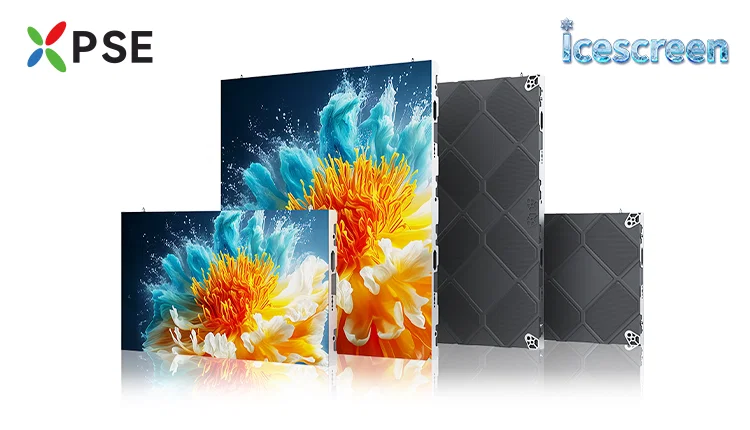
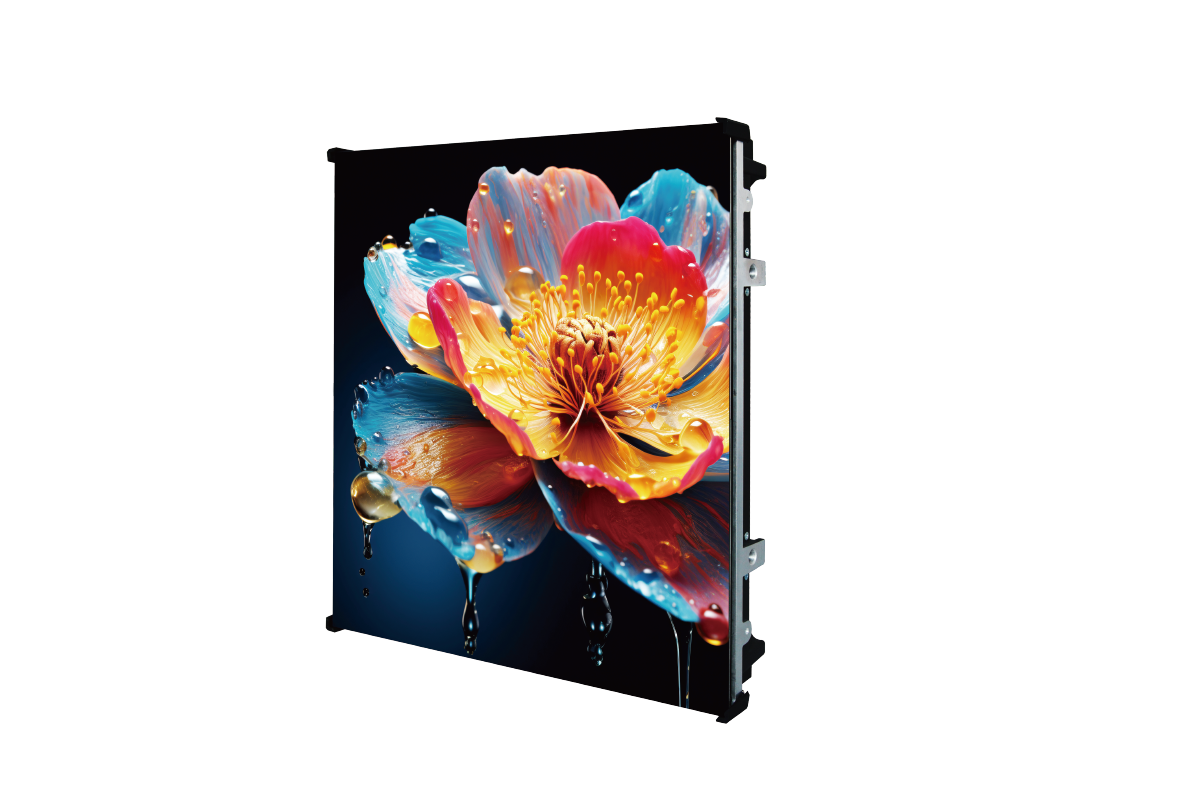
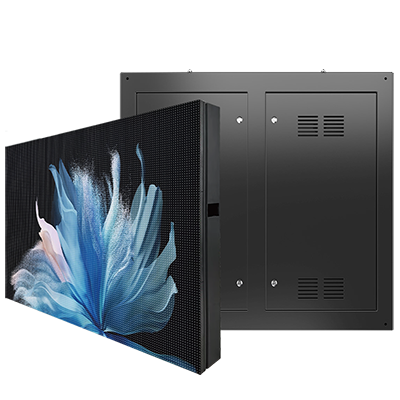
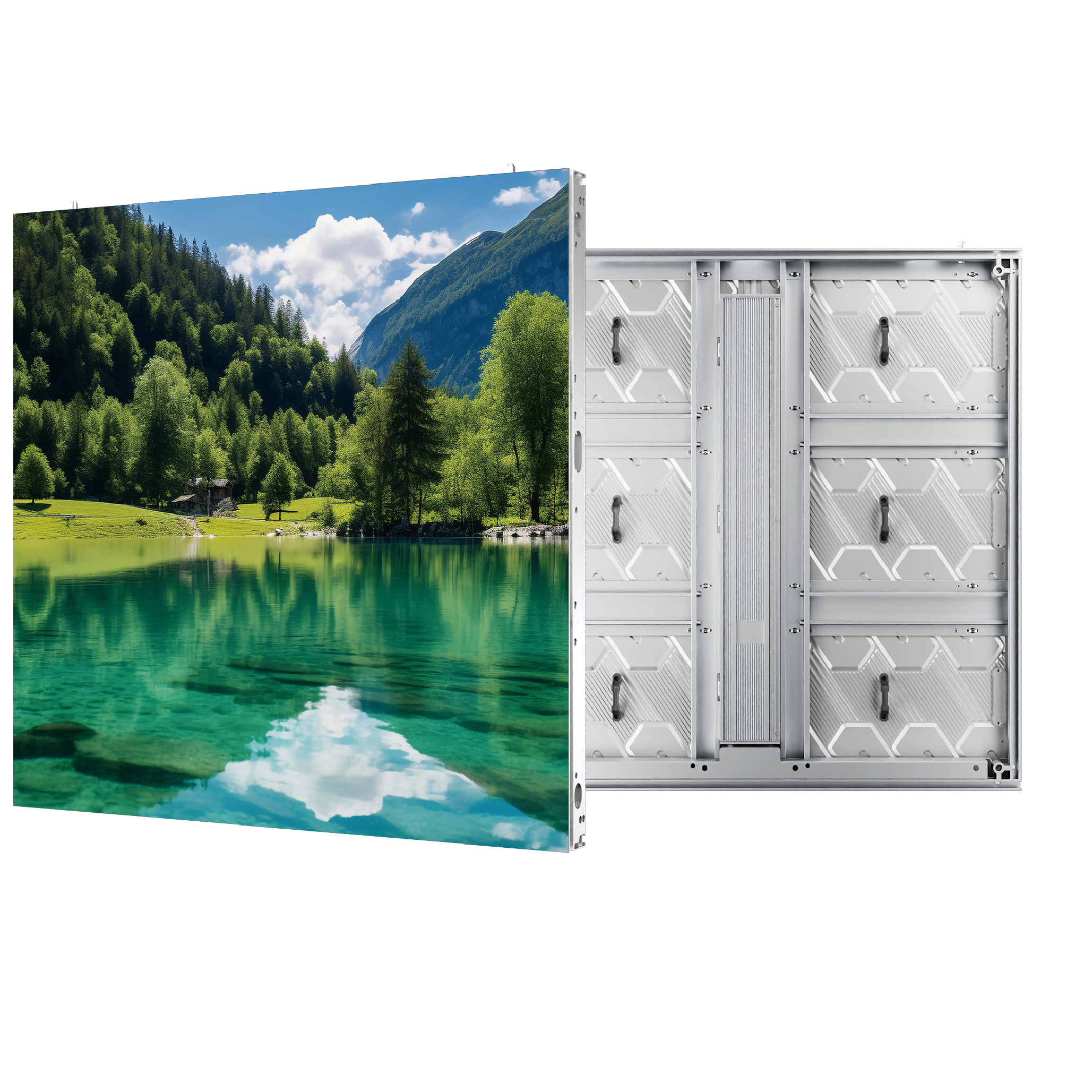
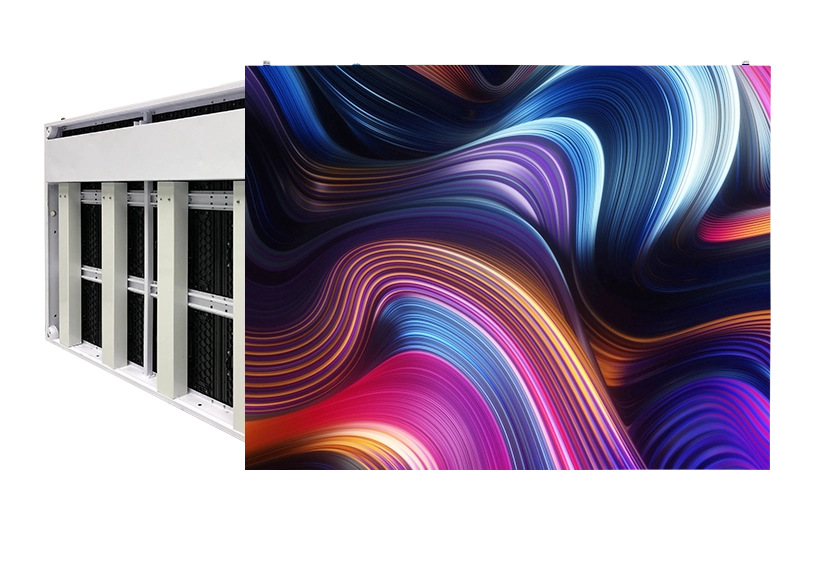
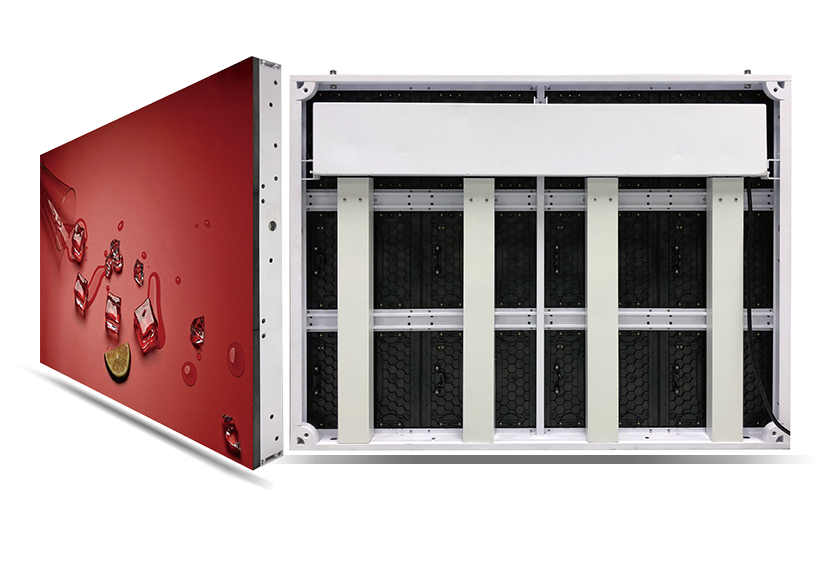
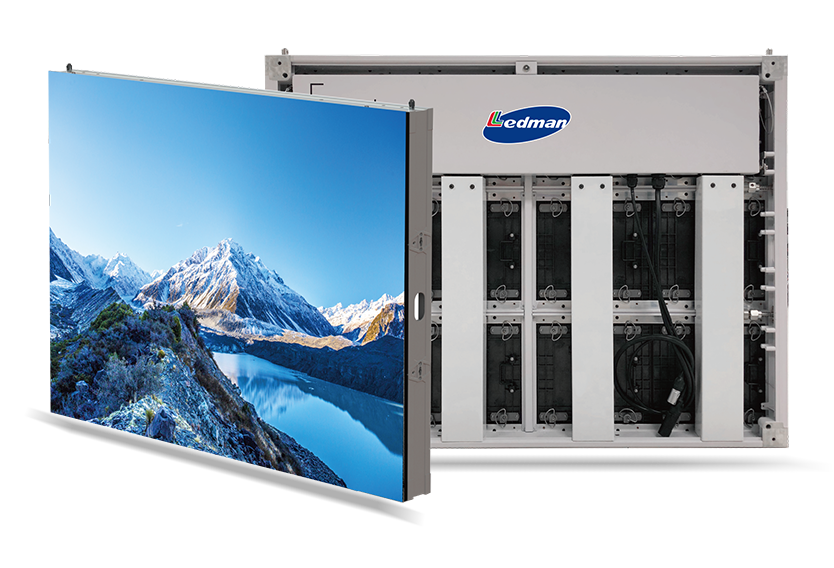
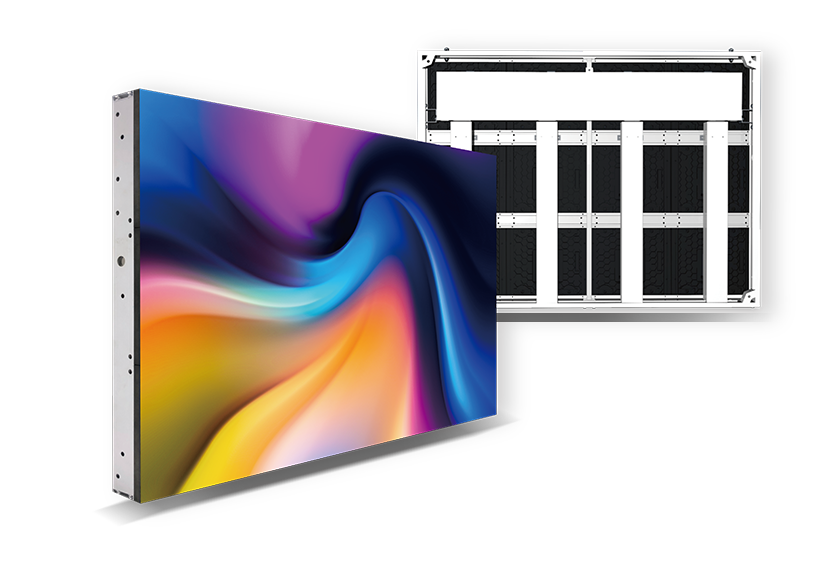
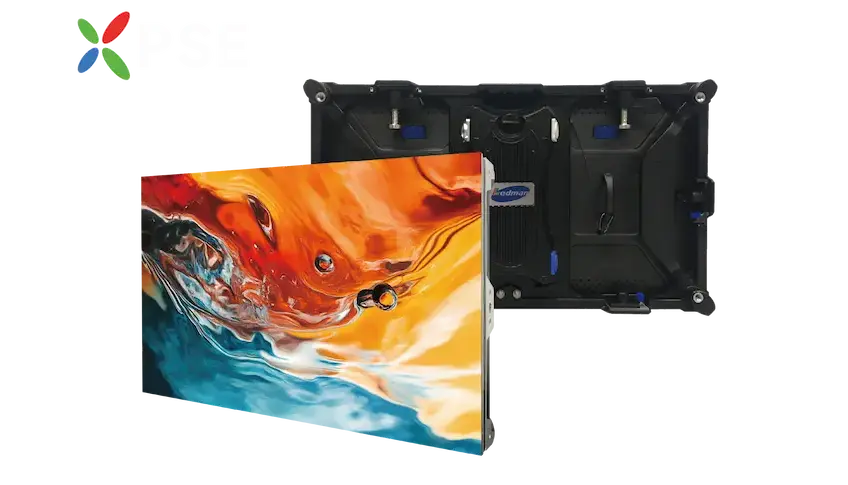
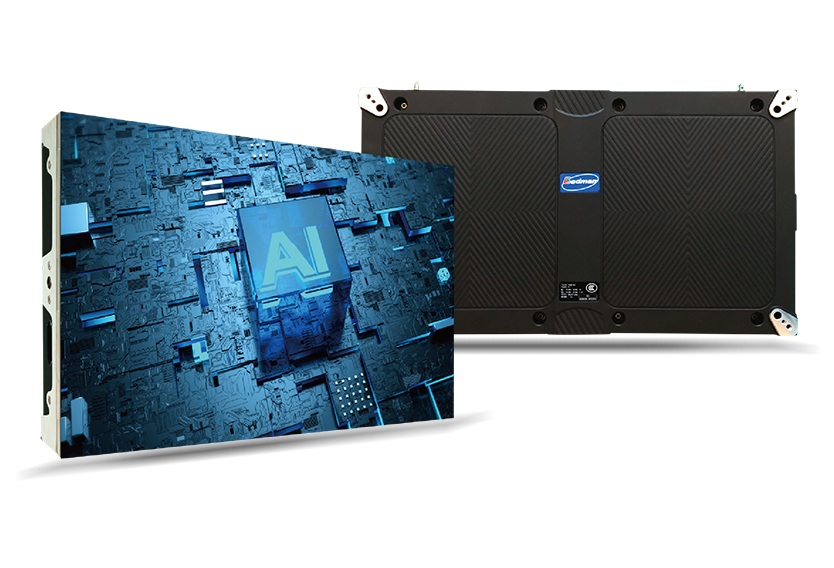
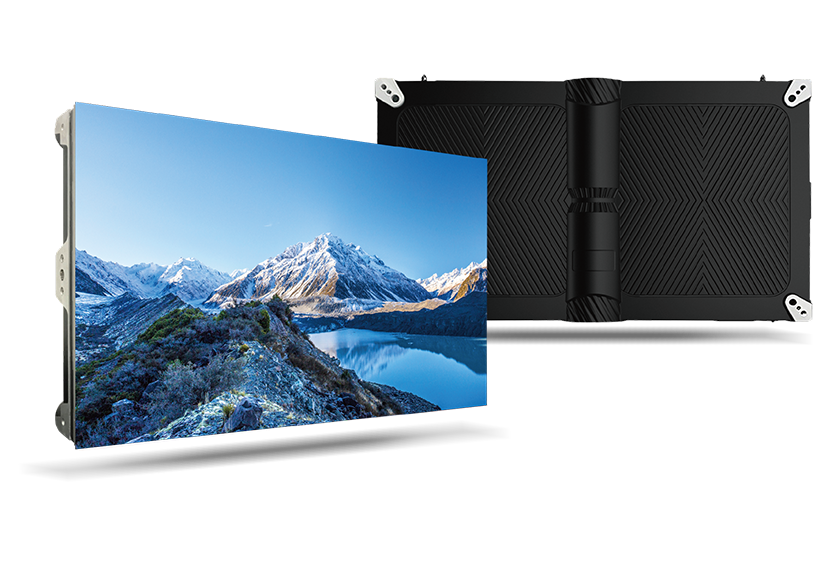
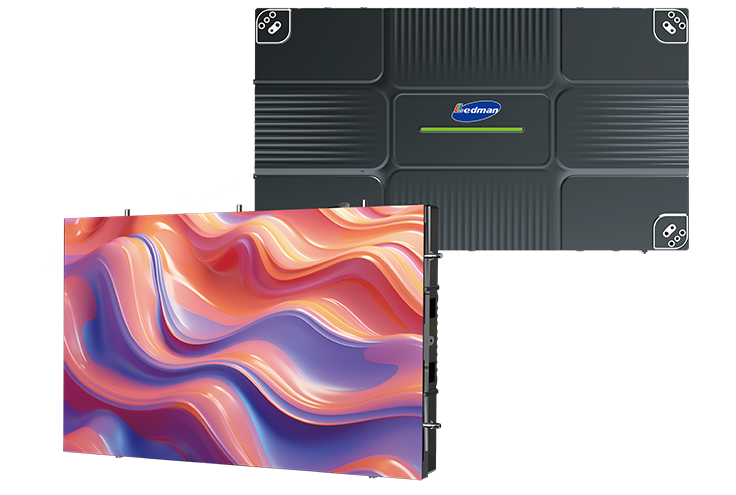
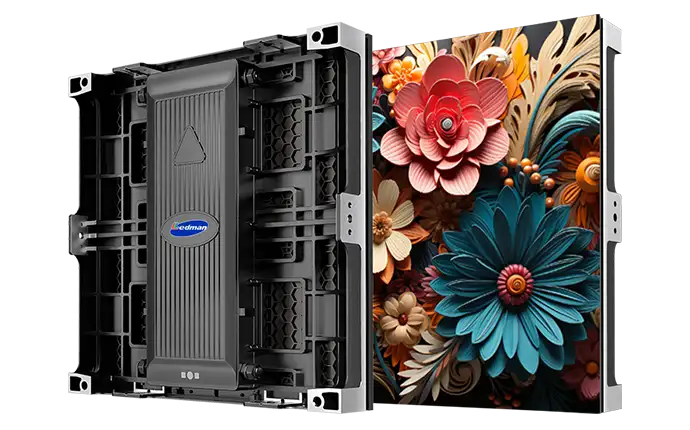
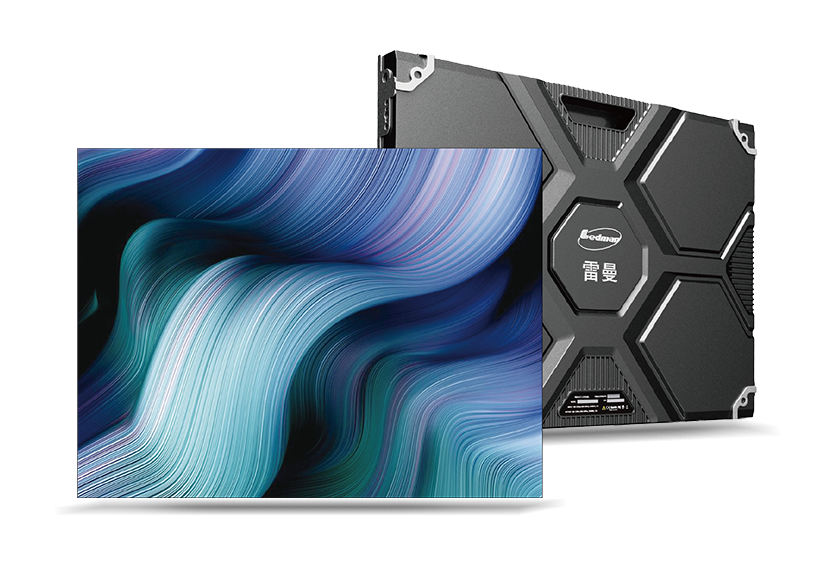
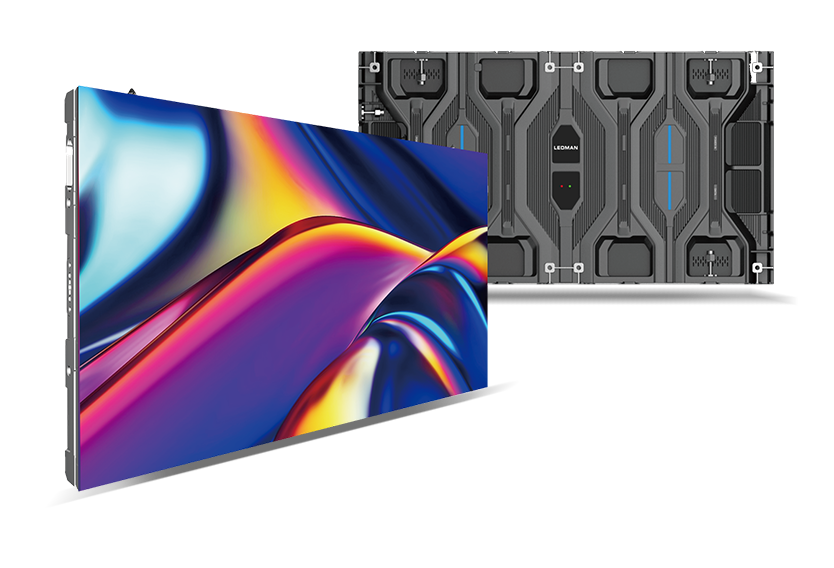
LEDMAN IceScreen QS Series
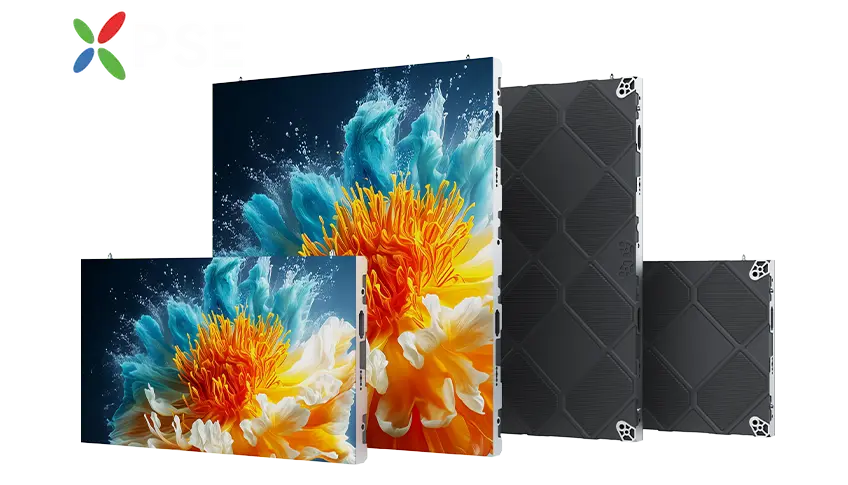
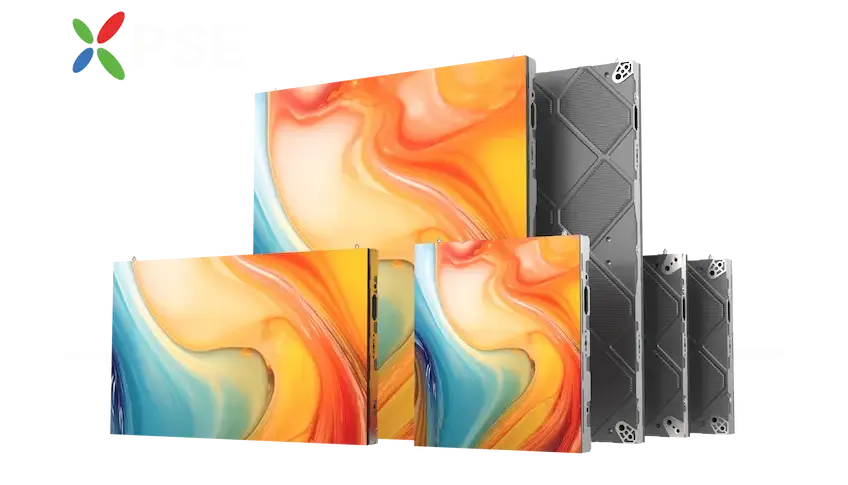
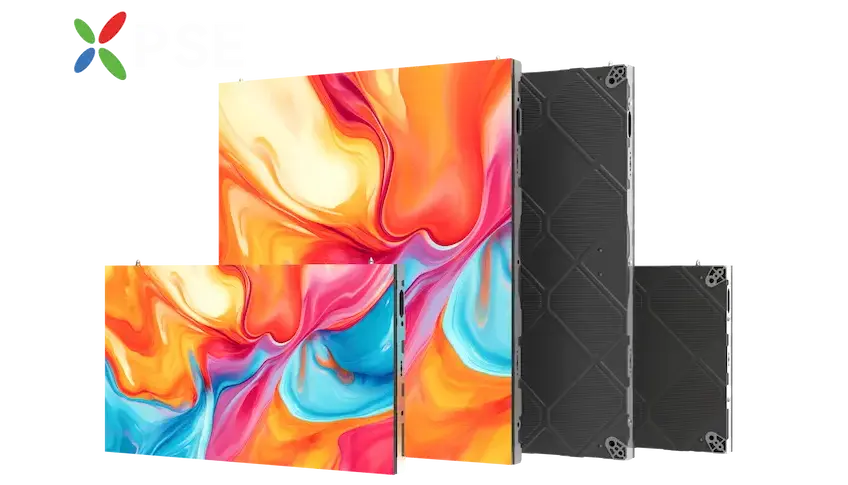
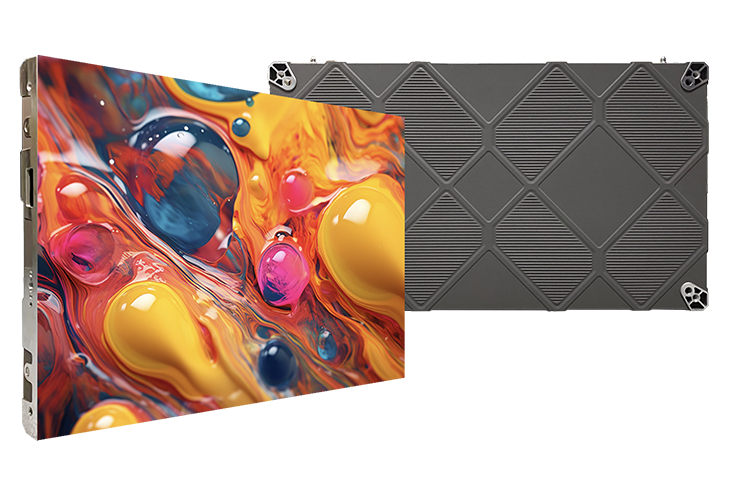
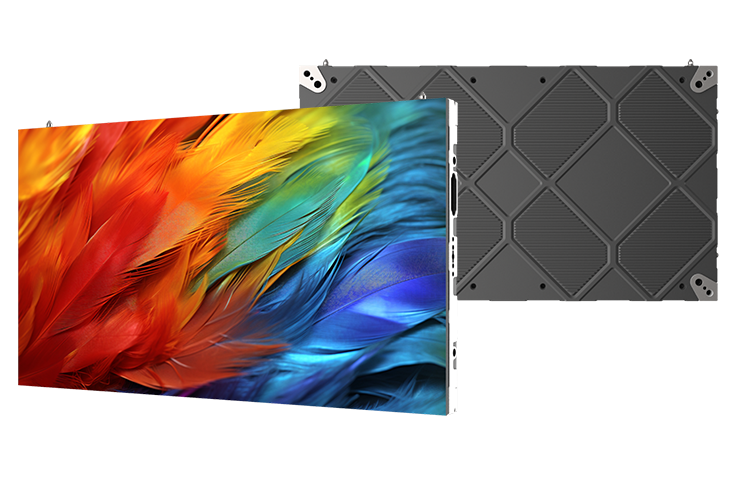
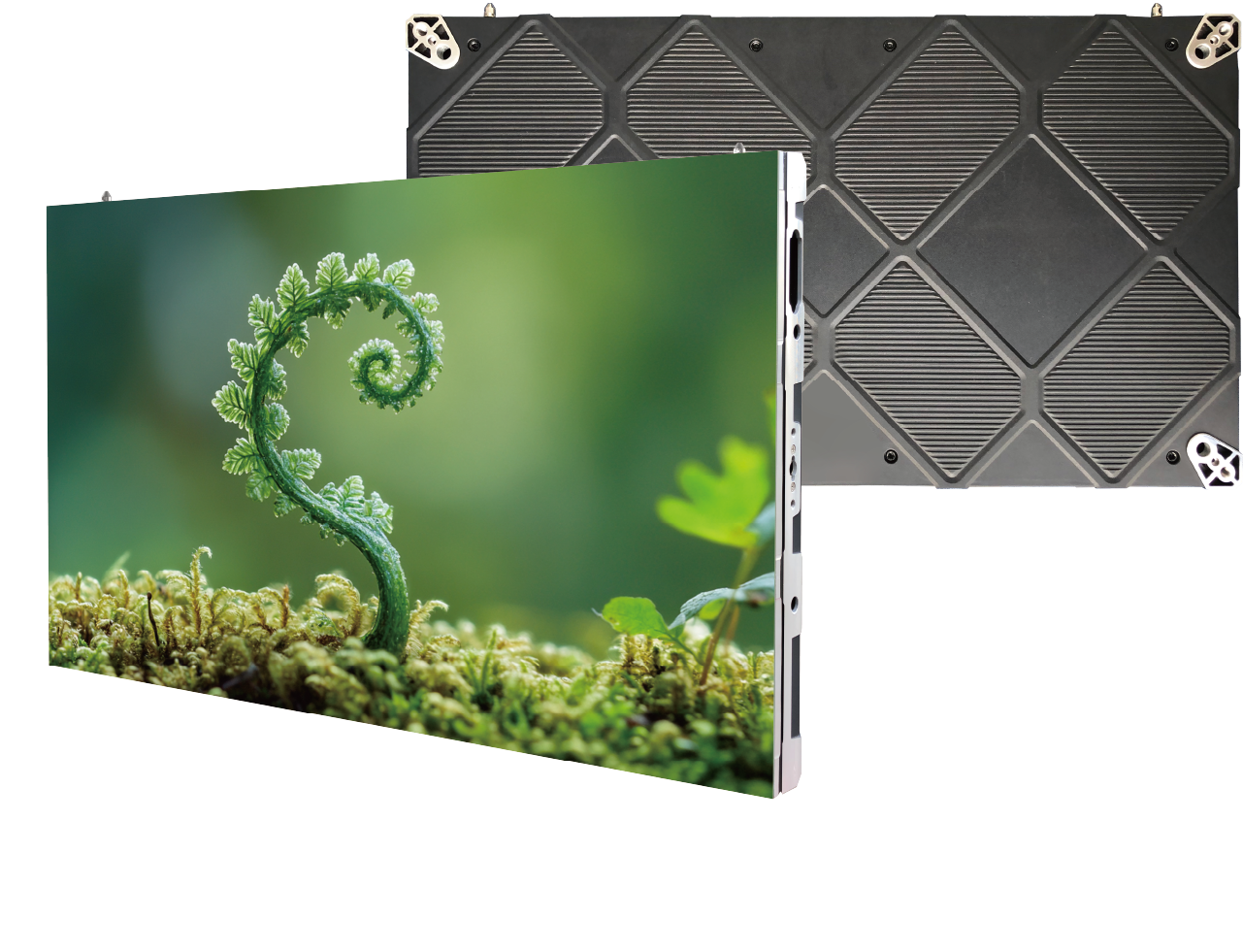
The LEDMAN IceScreen QS Series represents a next-generation LED display choice with features that matter in professional and high-demand settings.
- Ultra-High Definition with Fine Pixel Pitch:The IceScreen QS Series uses a tight 0.9 mm pixel pitch, enabling clear, detailed visuals that support up to 4K and 8K displays with high pixel density.
- High Refresh Performance:With a very high refresh rate (up to 7680 Hz), dynamic motion appears smooth and natural, benefiting fast-moving content and camera capture in professional environments.
- Energy-Efficient Cool Display:Proprietary PSE energy-saving technology keeps power consumption around 50 % lower than similar products, while the screen surface stays cooler than body temperature during extended operation.
- Comfort-Focused Output:TÜV Rheinland low blue light certification and ultra-low radiation standards help reduce eye strain, making this screen suitable for prolonged use in command centers, control rooms, or corporate spaces.
- Reliable Long-Term Operation:Designed for stable performance with advanced backlight and heat management, the IceScreen supports continuous operation without significant quality degradation.
Whether you’re equipping a conference venue, a commercial display, or a high-use viewing environment, these strengths make the IceScreen a compelling choice for demanding visual applications. Contact us now to learn more and find the right display solution for your needs!


