



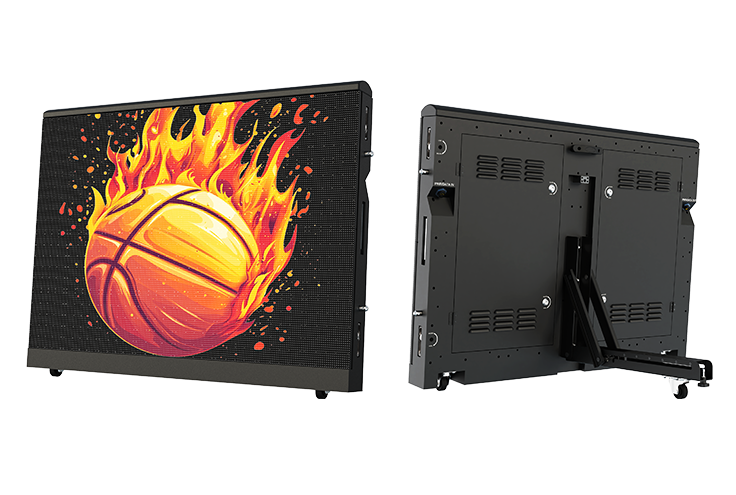
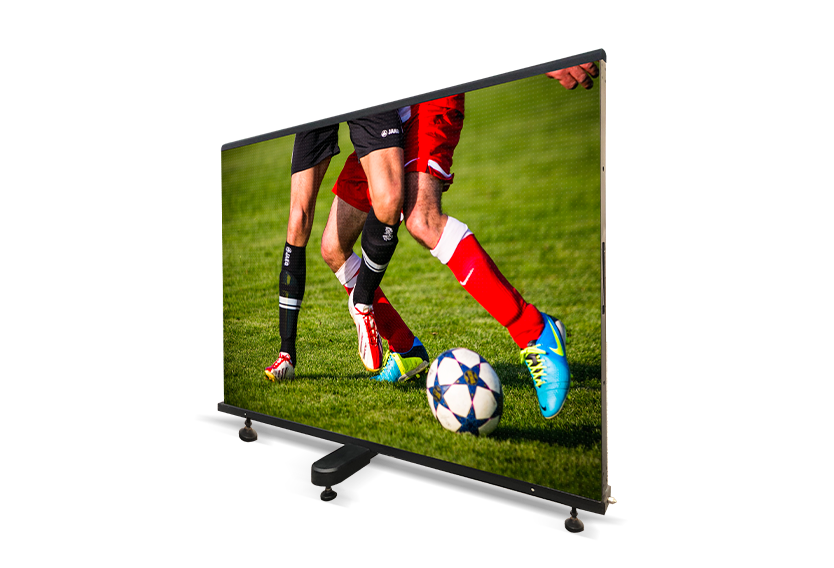
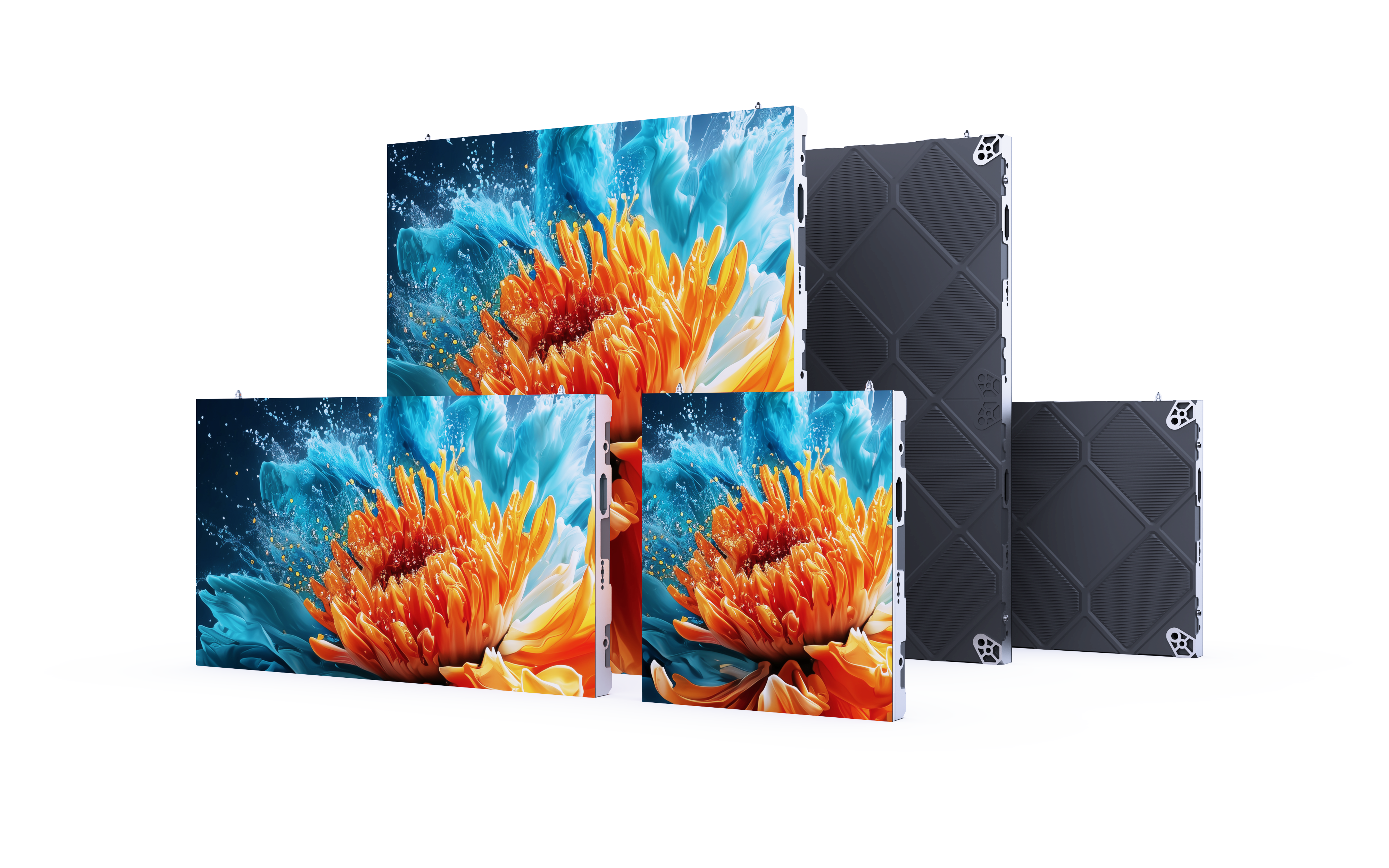
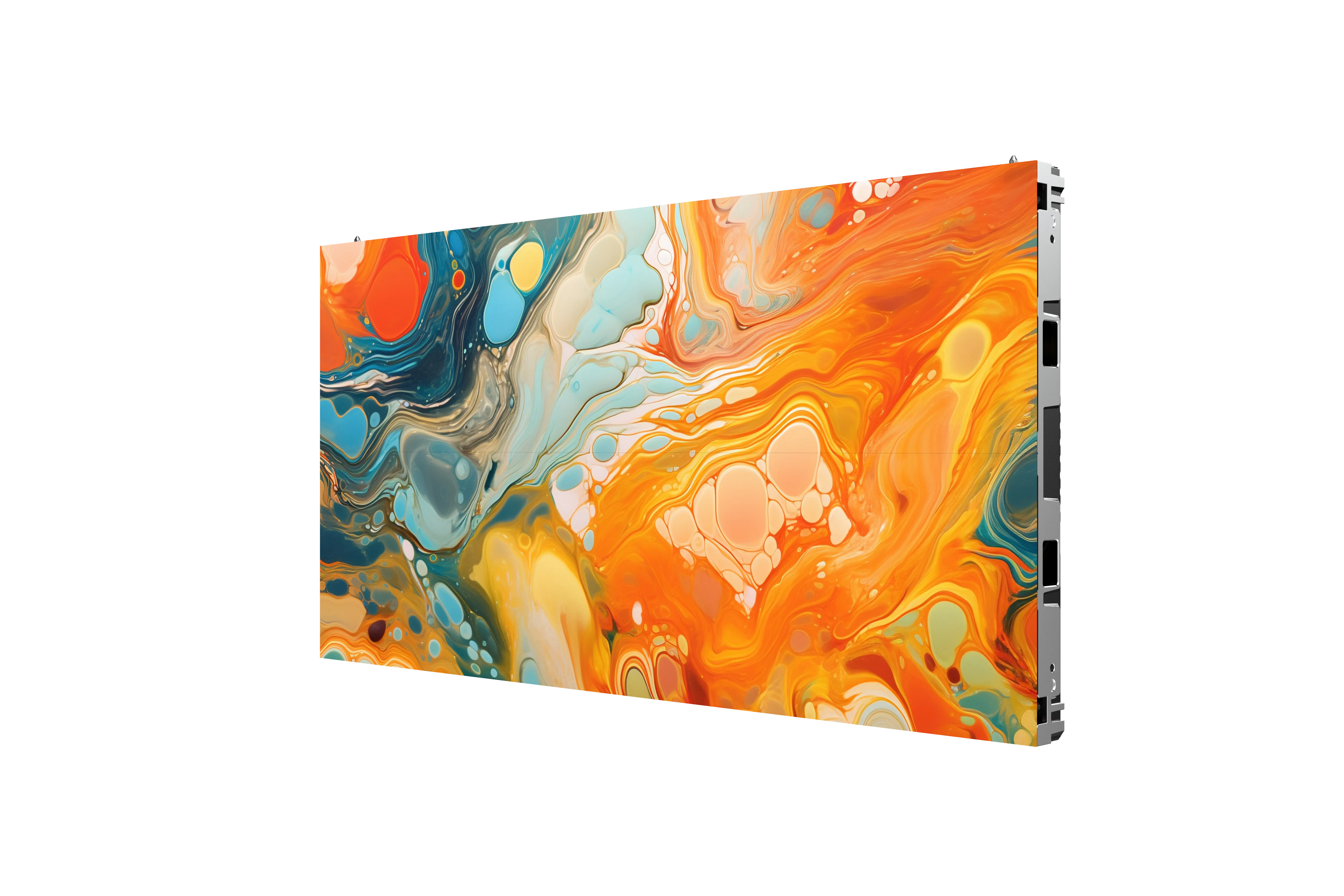



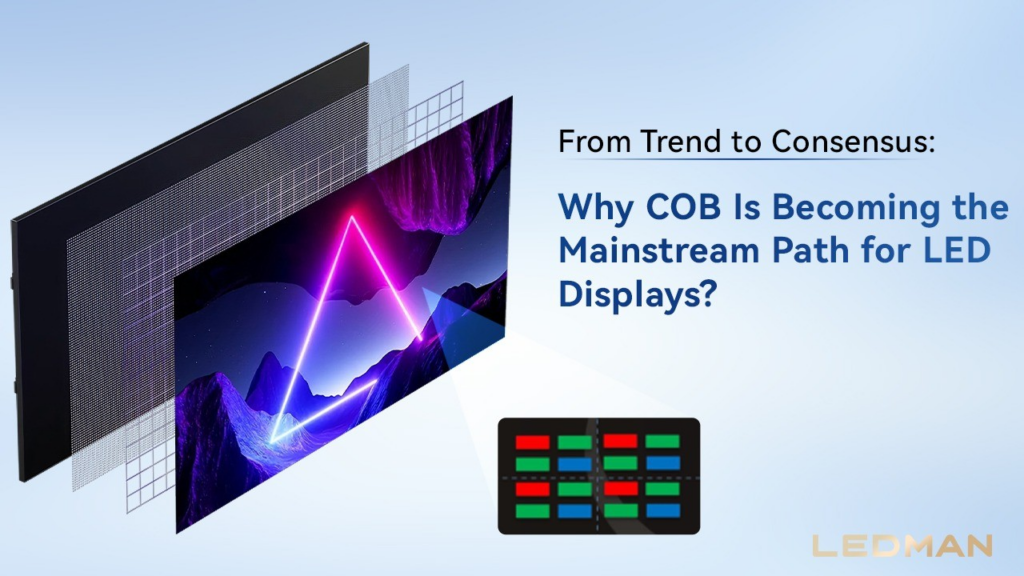
From Trend to Consensus: Why COB Is Becoming the Mainstream Path for LED Displays?
For years, the LED display industry has been exploring different technology paths in pursuit of higher performance, better reliability, and broader application possibilities.
Today, one trend is becoming increasingly clear: COB is no longer just an emerging technology — it is becoming the mainstream path for LED displays.
According to recent industry forecasts, COB and MiP technologies could account for nearly 50% of the LED display market by 2030. Among them, COB is expected to remain the primary driver of growth.
More importantly, this shift is no longer being driven by technology alone.
What the Market Is Really Looking For?
The conversation around LED displays is changing.
Resolution and brightness remain important, but they are no longer enough.
Today, customers are paying closer attention to:
- Energy efficiency
- Thermal management
- Long-term reliability
- Installation and maintenance efficiency
- Total cost of ownership
As displays become larger, finer in pixel pitch, and expected to operate continuously for longer periods, these factors are becoming increasingly critical.
This is where COB demonstrates clear advantages.
Compared with traditional packaging technologies, COB offers:
- Better LED protection
- Improved display uniformity
- Superior thermal performance
- Greater system stability
- Stronger adaptability for ultra-fine pixel pitches
As a result, COB is rapidly expanding beyond premium projects into a wider range of commercial applications.
Why Energy Efficiency Is Becoming a Key Differentiator?
One of the most significant changes in the industry is the growing focus on power consumption and heat generation.
Across command centers, broadcast facilities, corporate environments, and commercial spaces, display systems are expected to operate reliably for years while consuming less energy.
This has made thermal management and energy efficiency central considerations in display design.
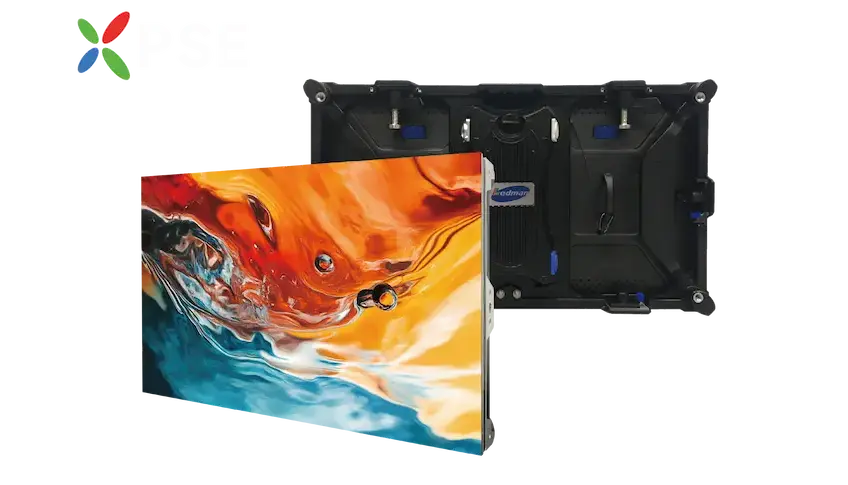
At LEDMAN, this challenge led to the development of our proprietary PSE (Pixel Structure Engine) technology.
By optimizing pixel structure and energy utilization, PSE helps reduce power consumption and heat generation while maintaining excellent image quality and system stability.
As the industry increasingly prioritizes sustainability and operational efficiency, technologies like PSE are helping COB displays become more practical for large-scale deployment.
Turning Technology into Real Applications
At LEDMAN, our long-term investment in COB technology has focused on one objective:
Making Micro LED displays more practical, efficient, and accessible.
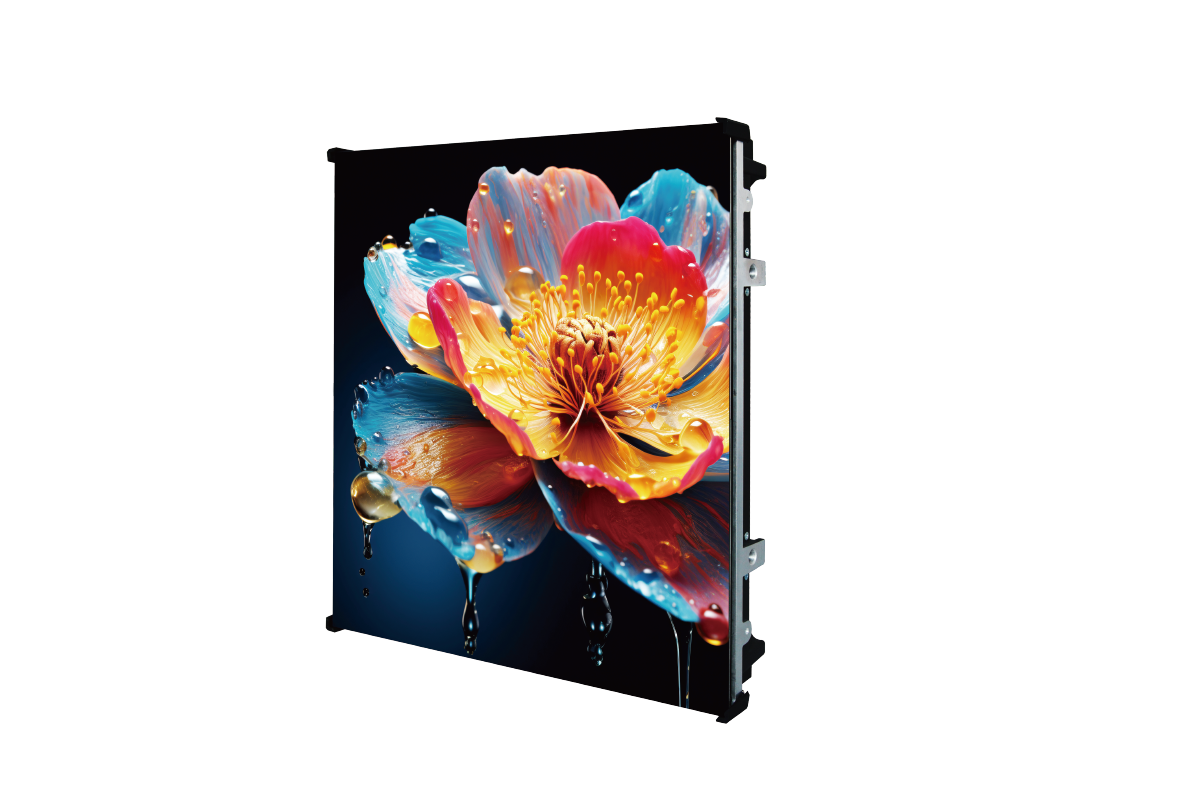
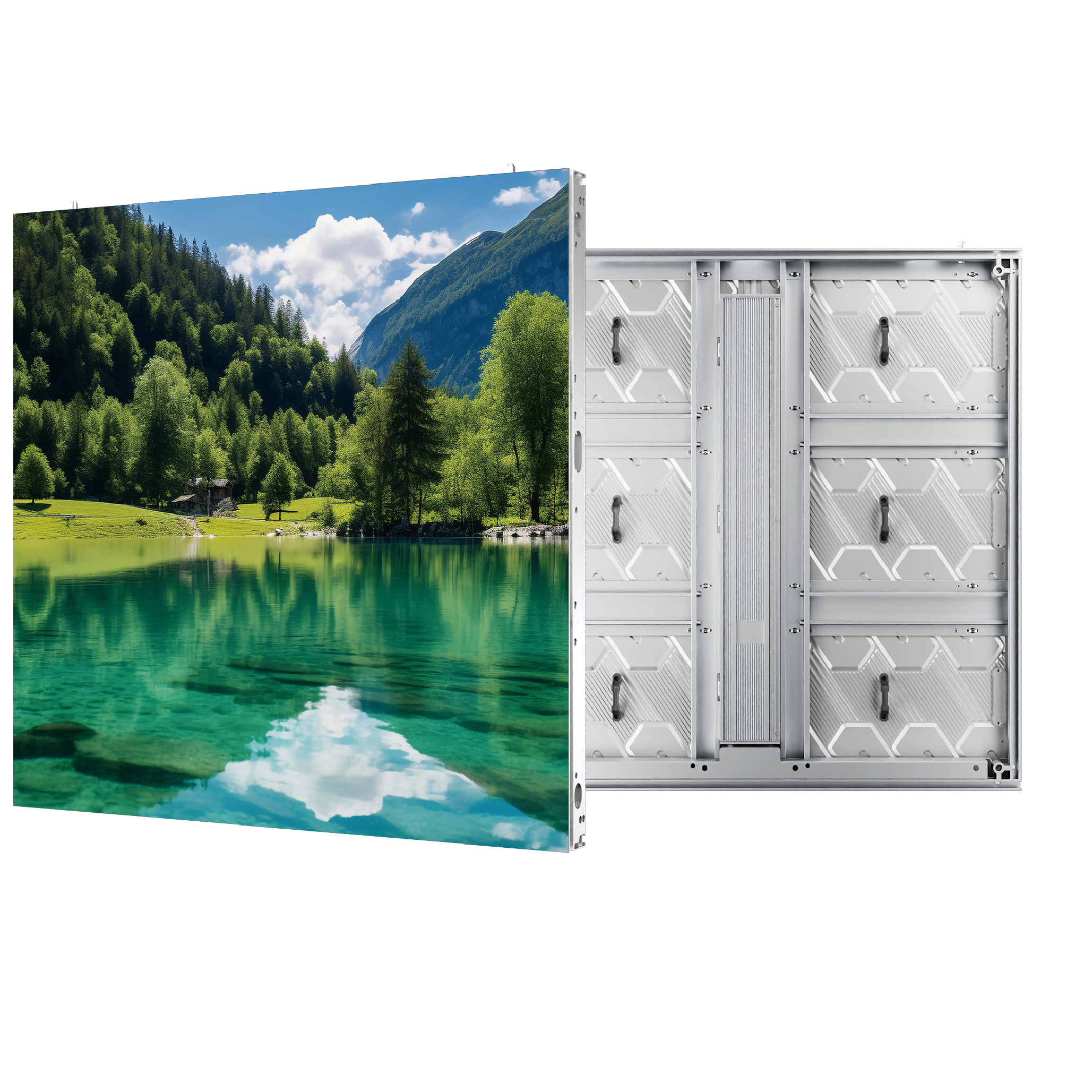
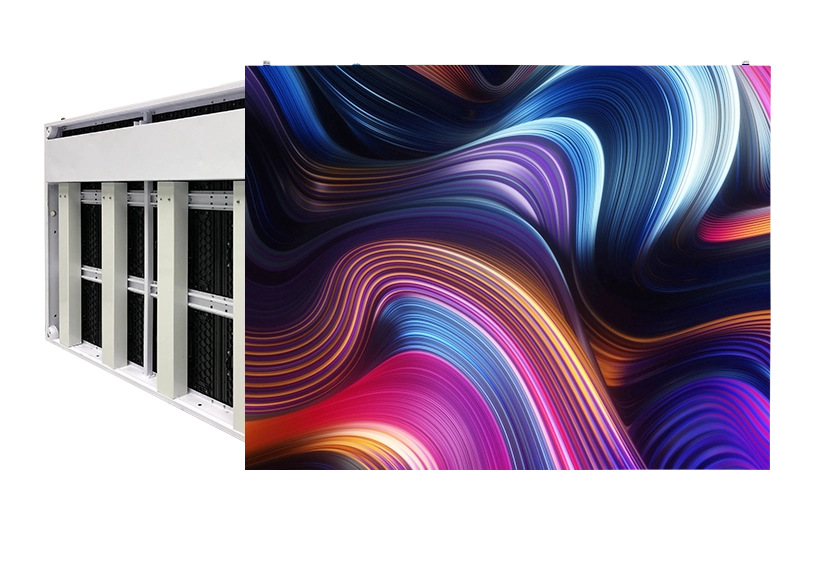
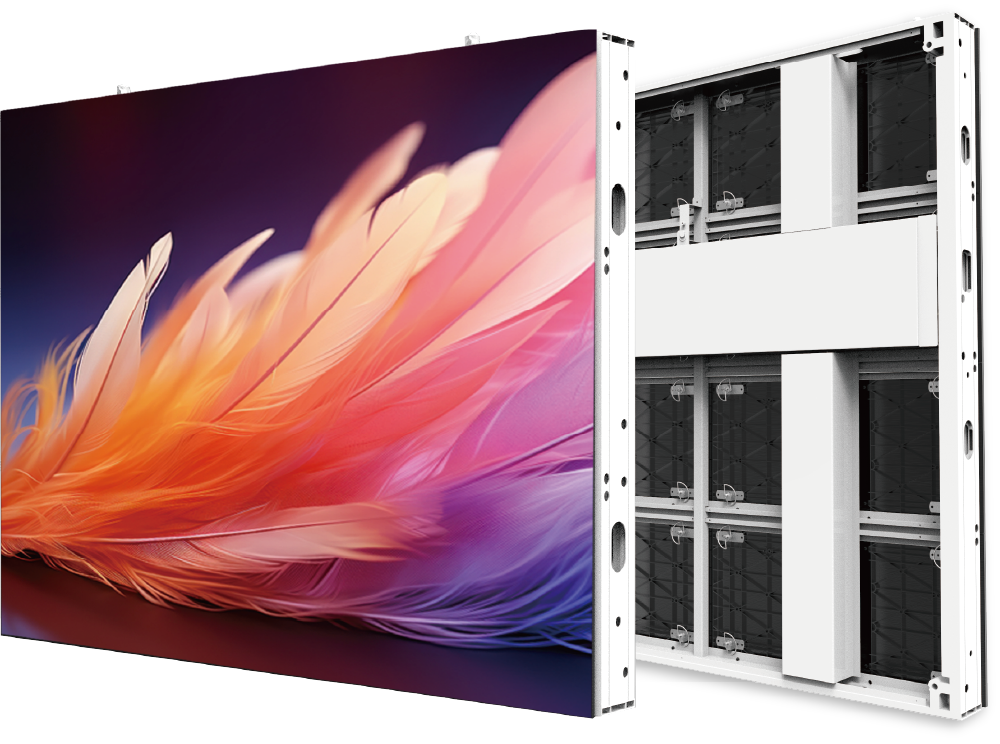
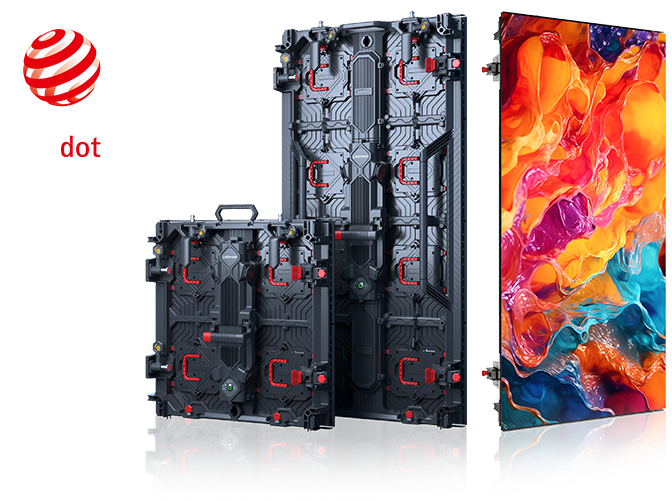
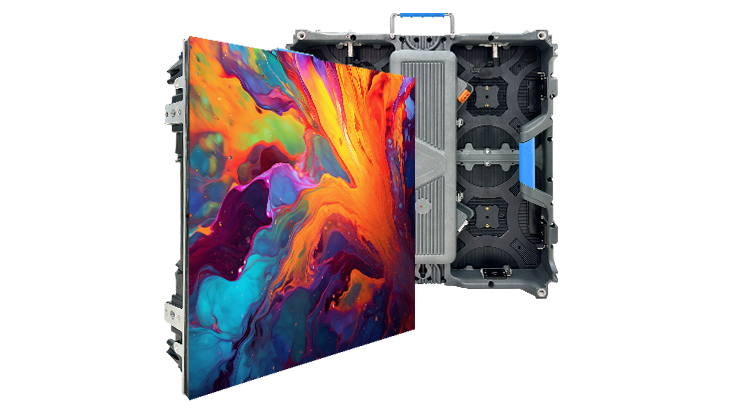
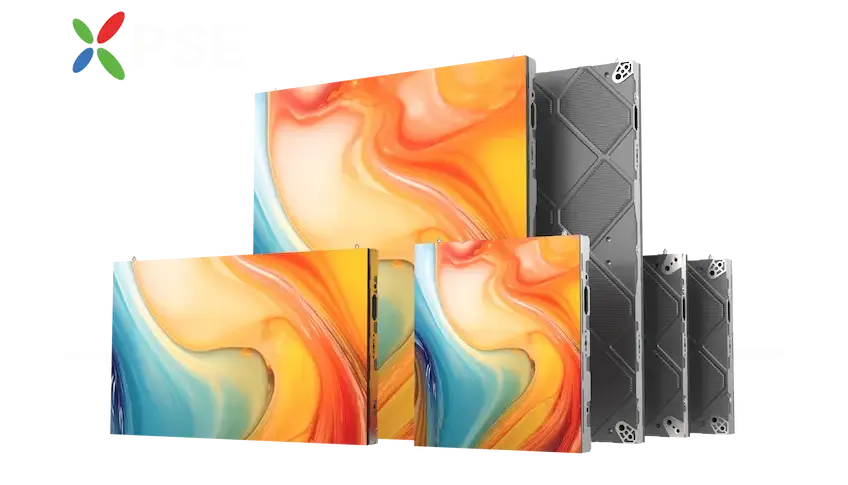
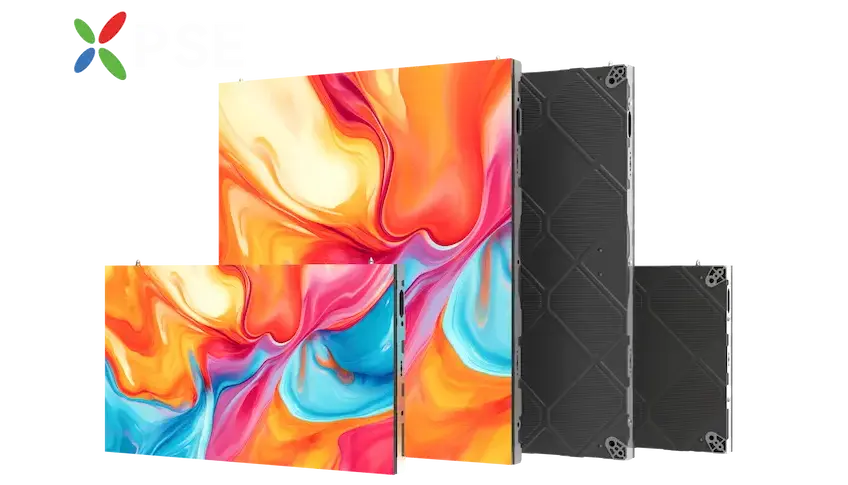
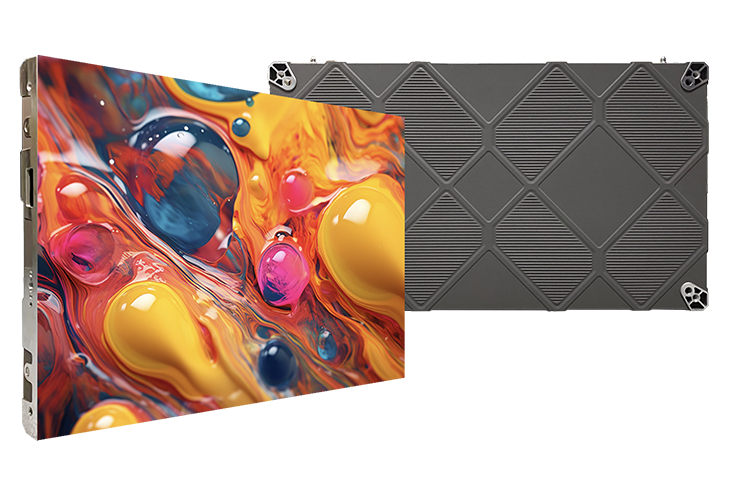
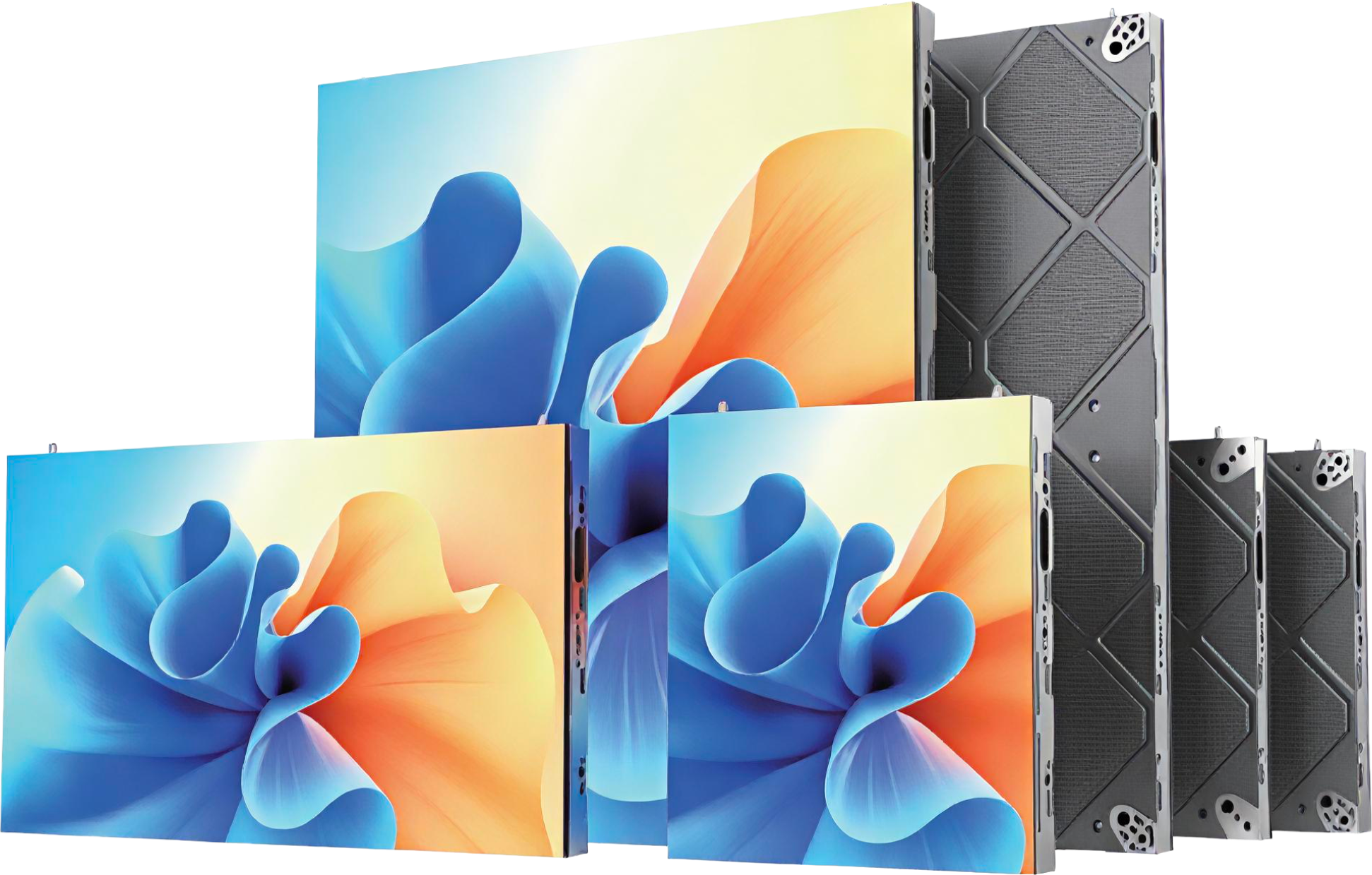
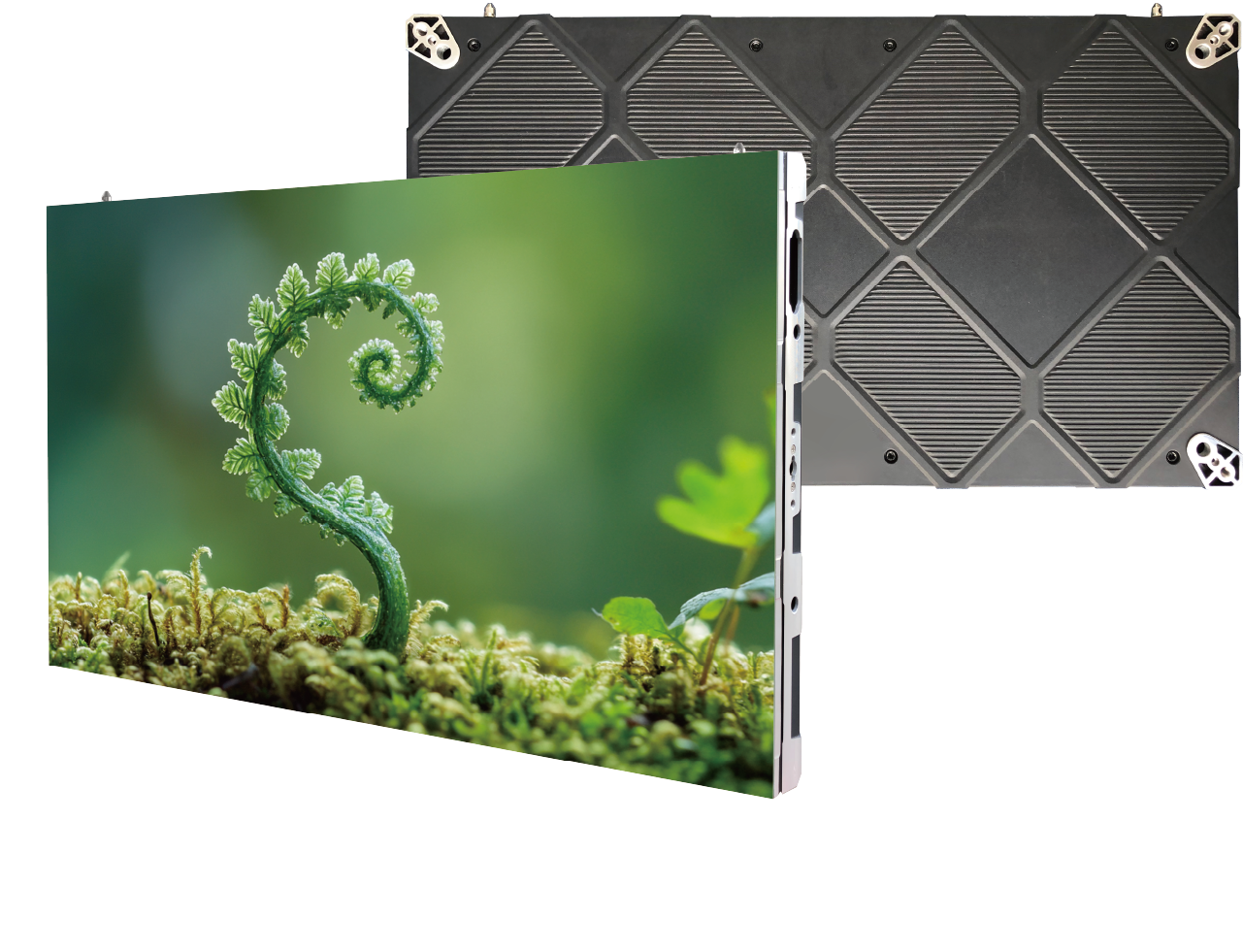
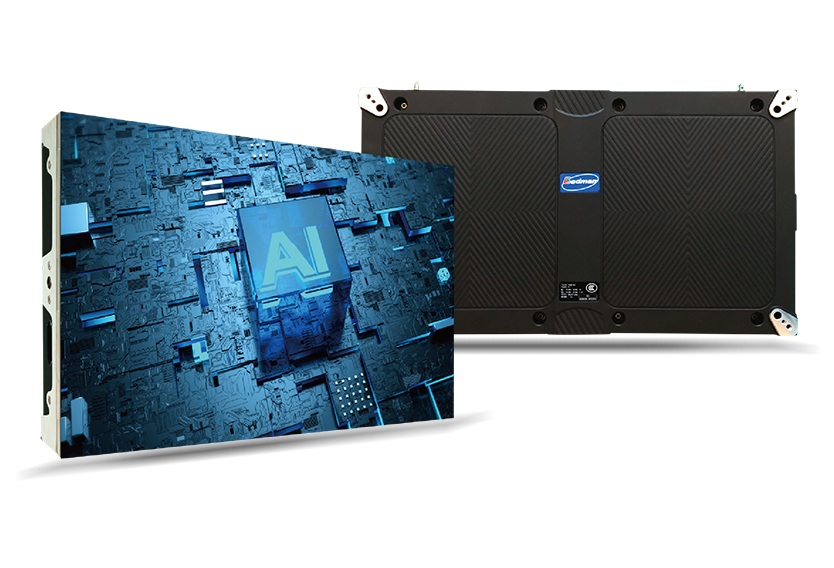
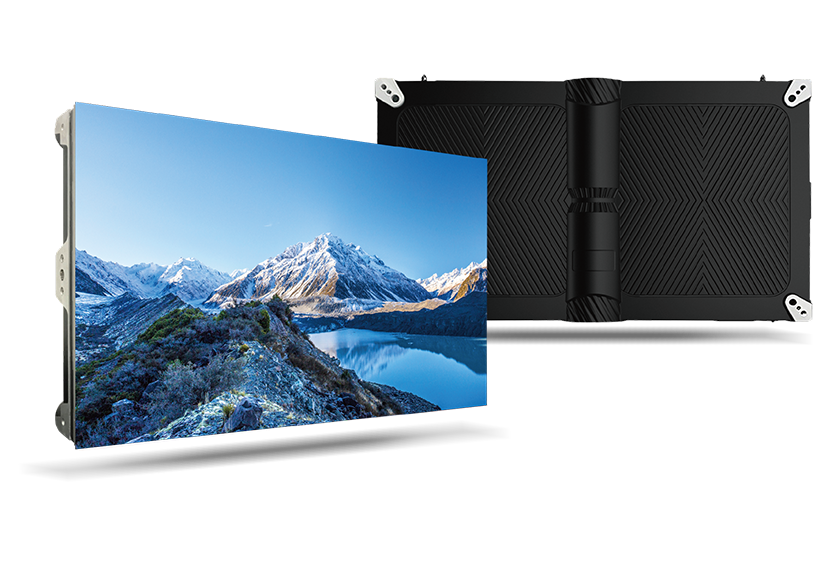
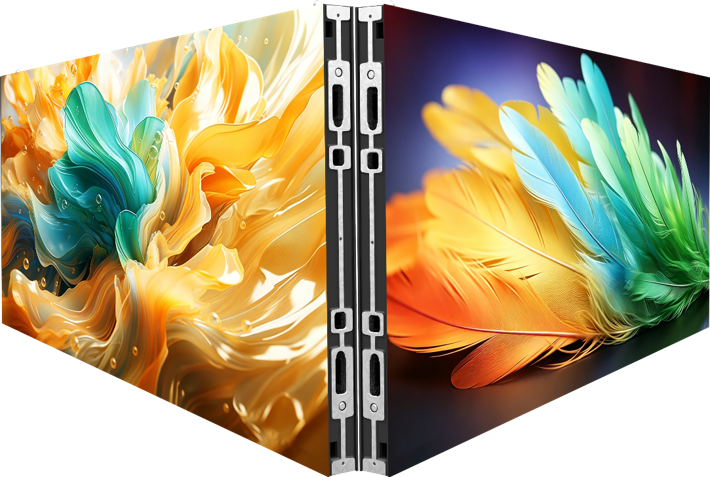
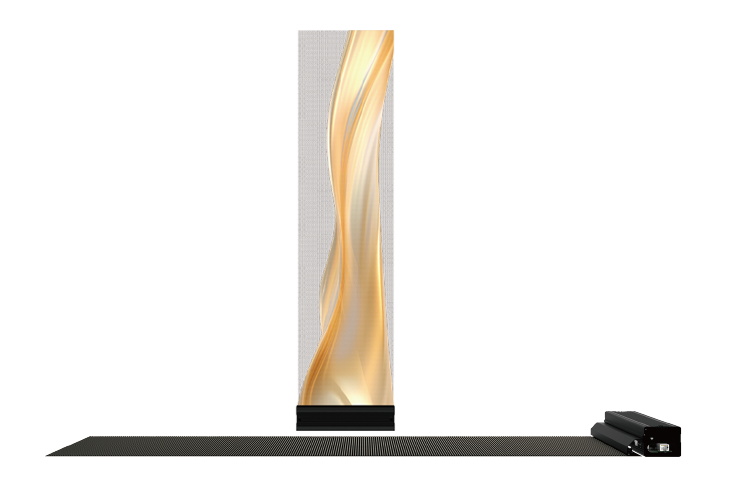
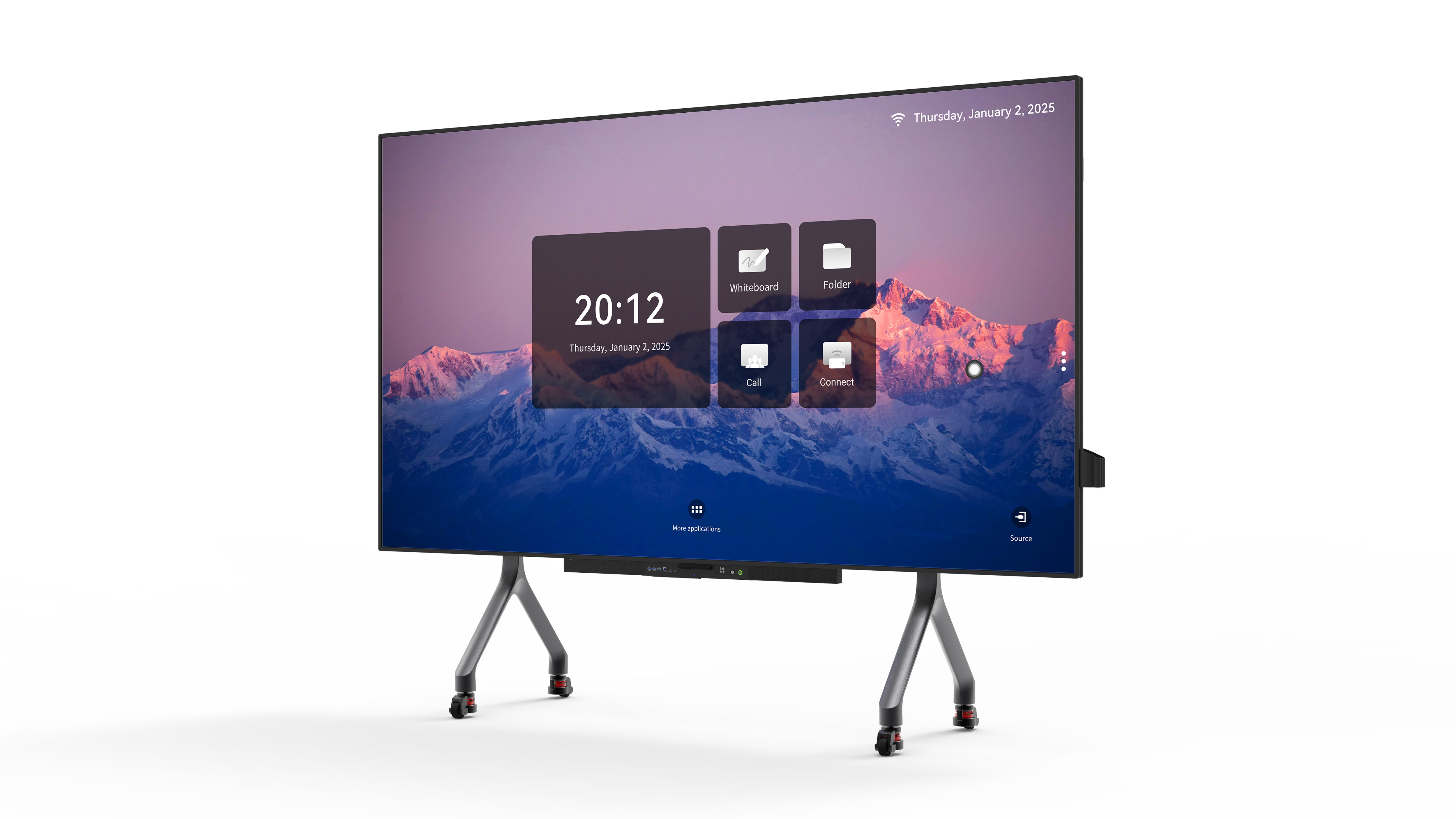
Today, COB technology powers multiple LEDMAN product platforms, including:
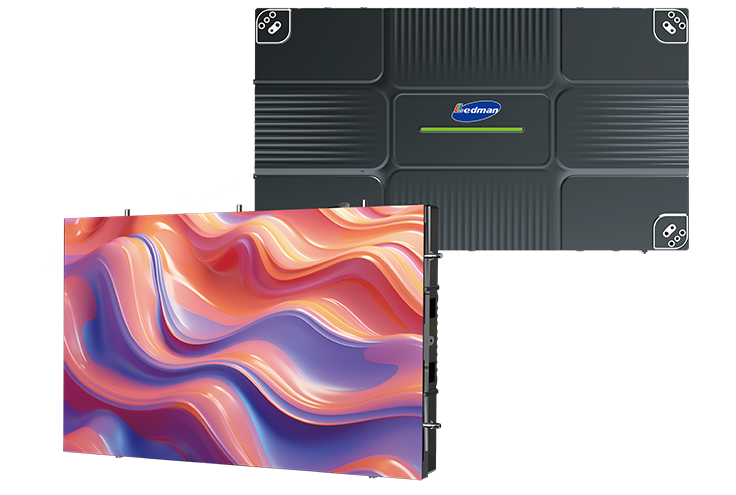
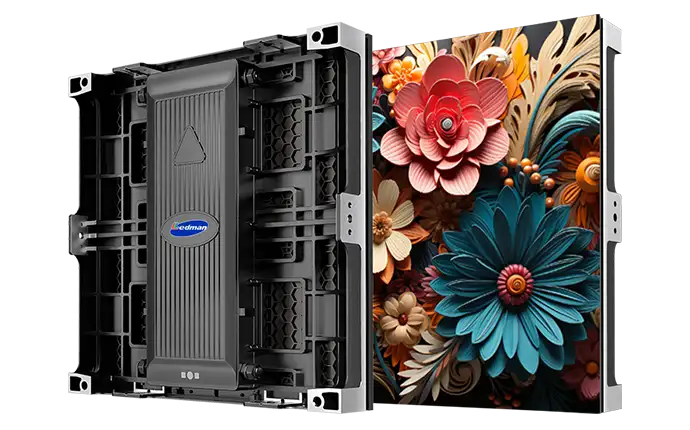
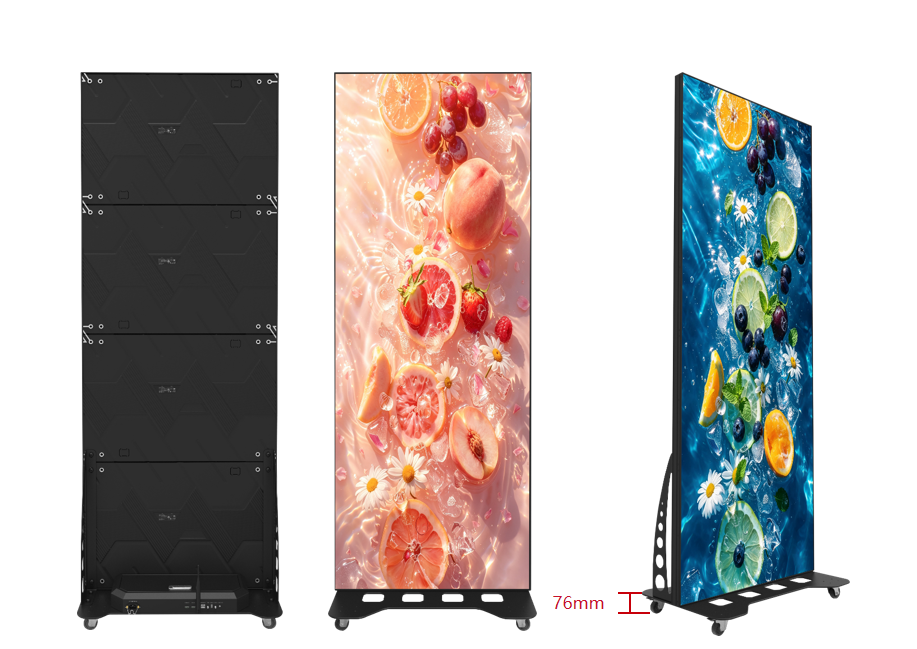
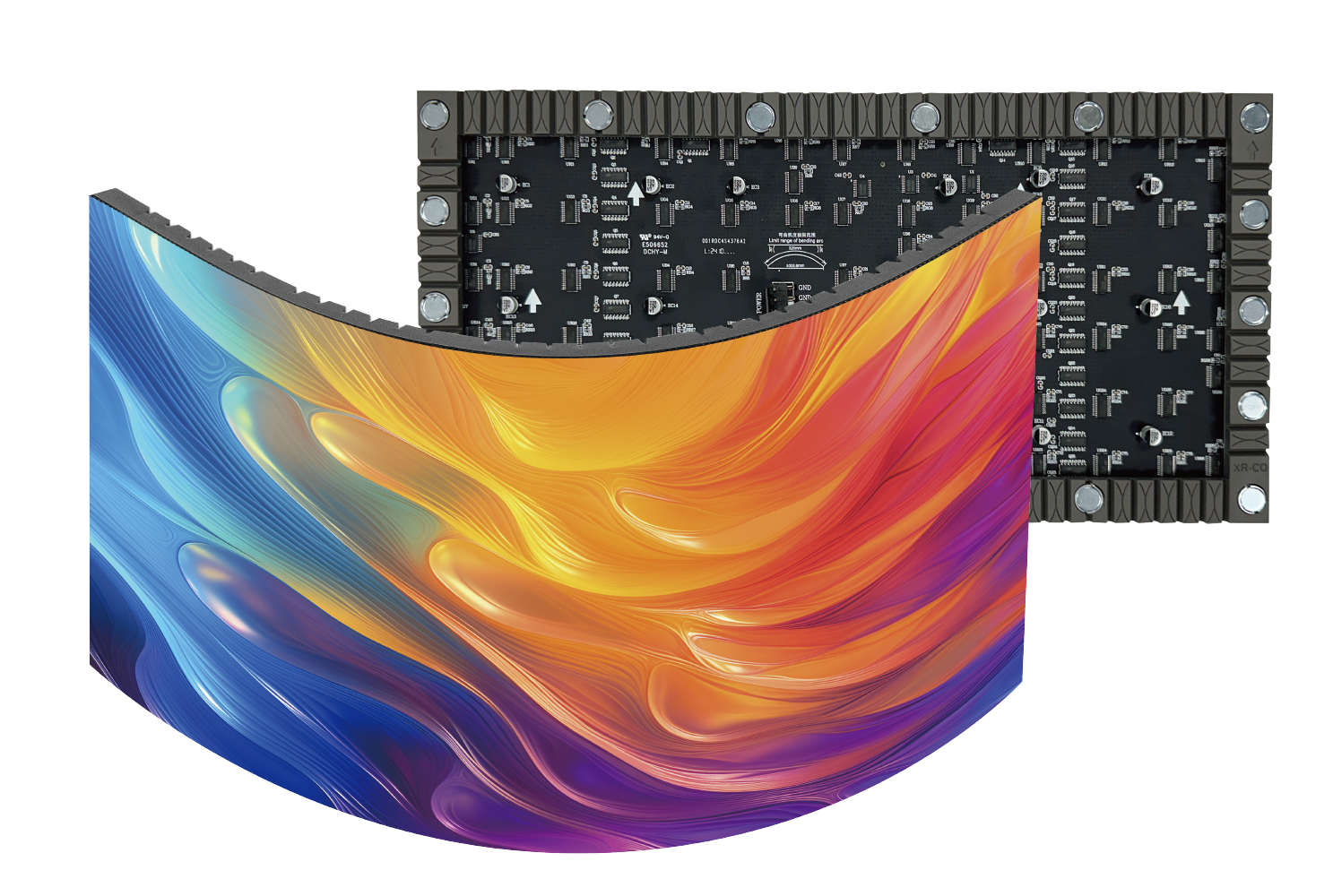
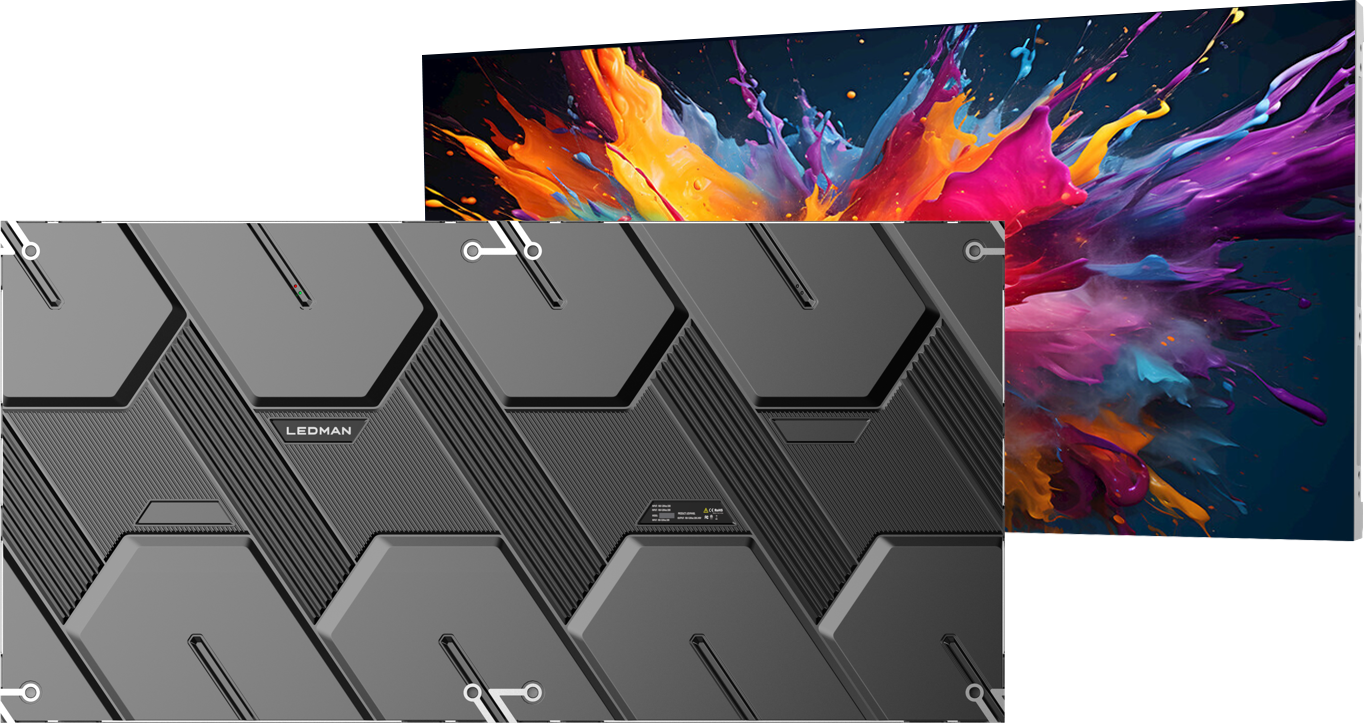
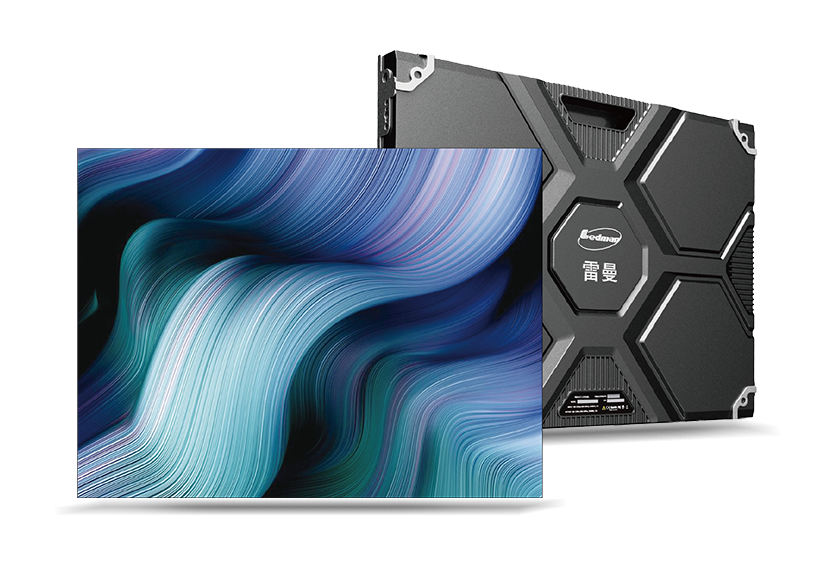
• BF Series — designed for cost-effective commercial applications with ultra-fine pixel pitch and excellent display consistency
• QS Series — featuring PSE energy-saving cool-screen technology, optimized for continuous 4K and 8K operation
• DF Series — delivering premium visual performance with high brightness, HDR capability, and long-term reliability
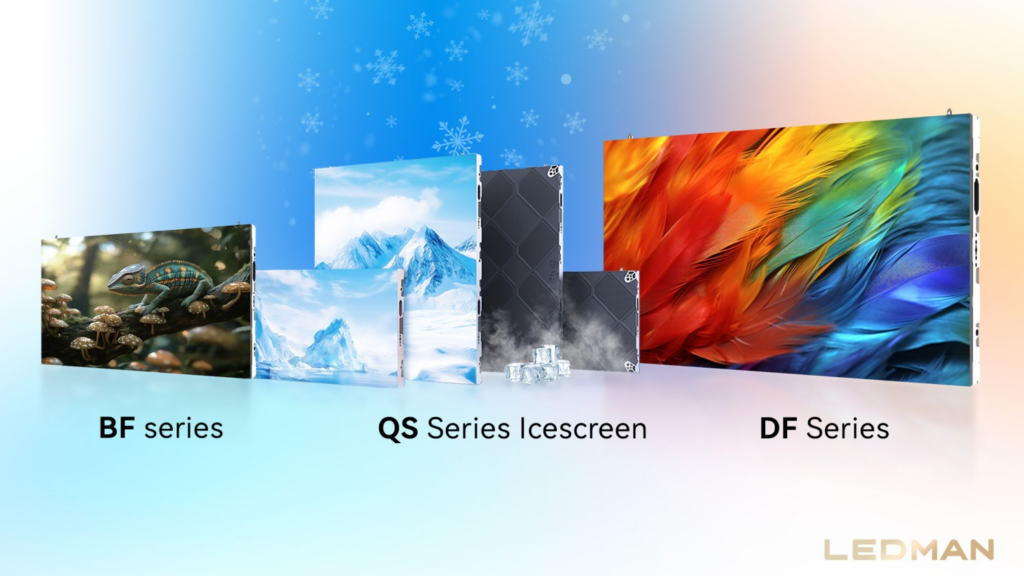
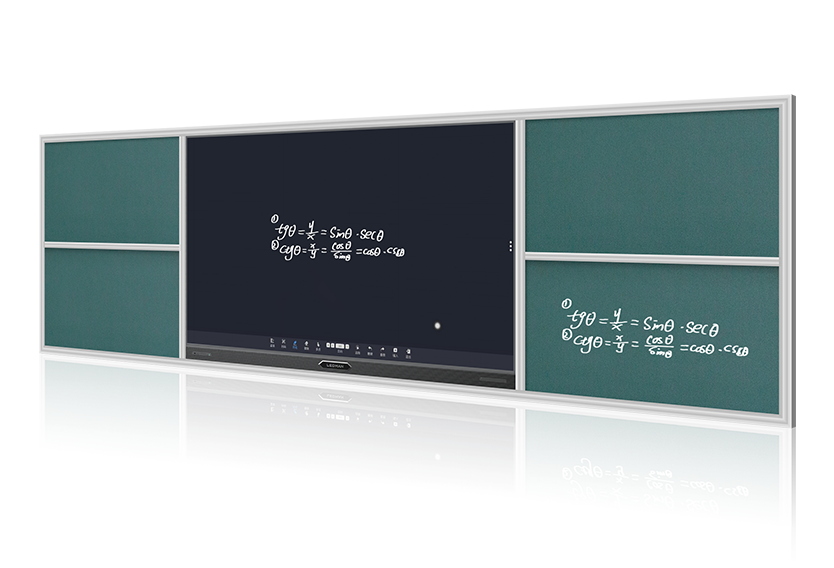
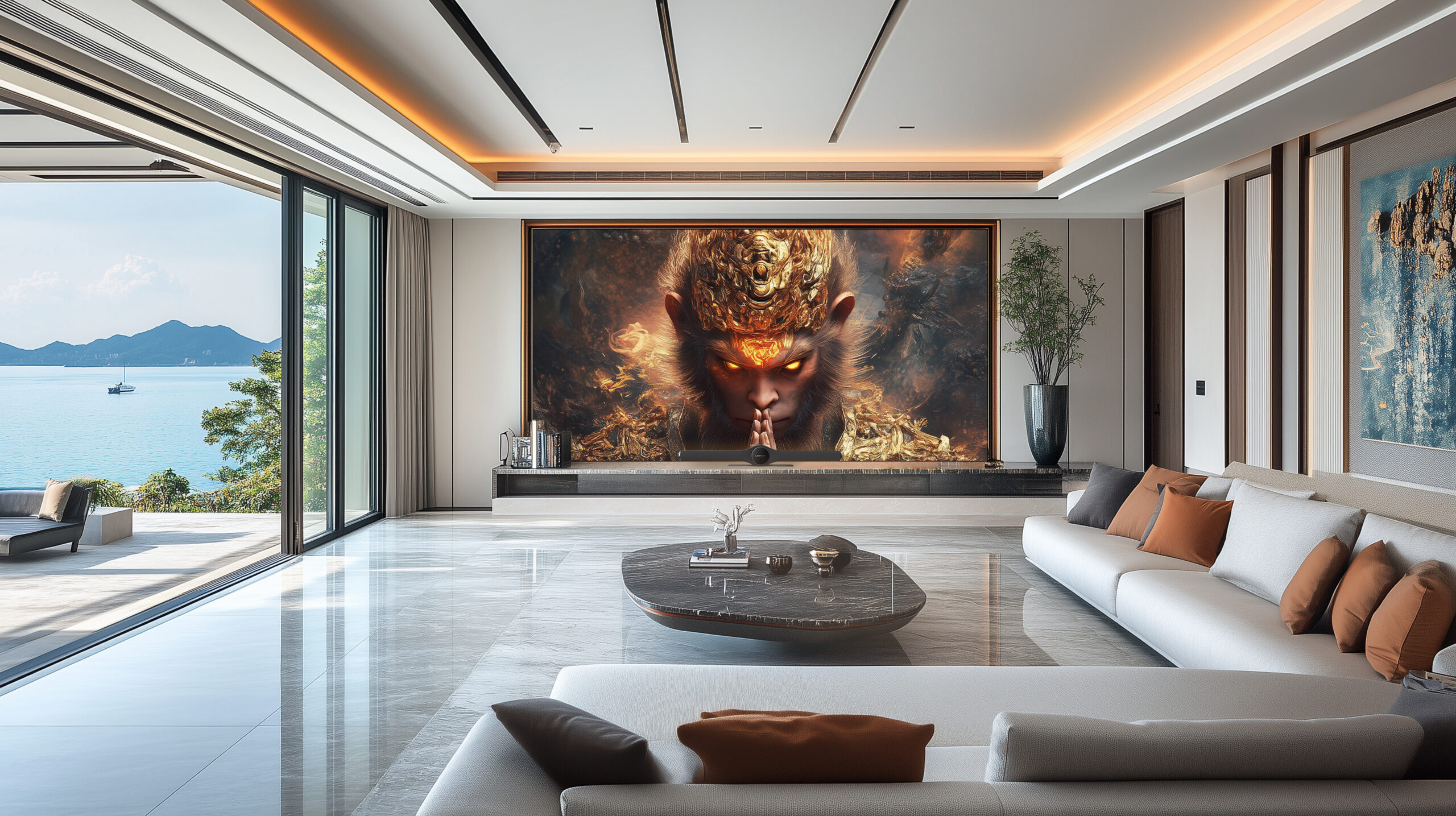
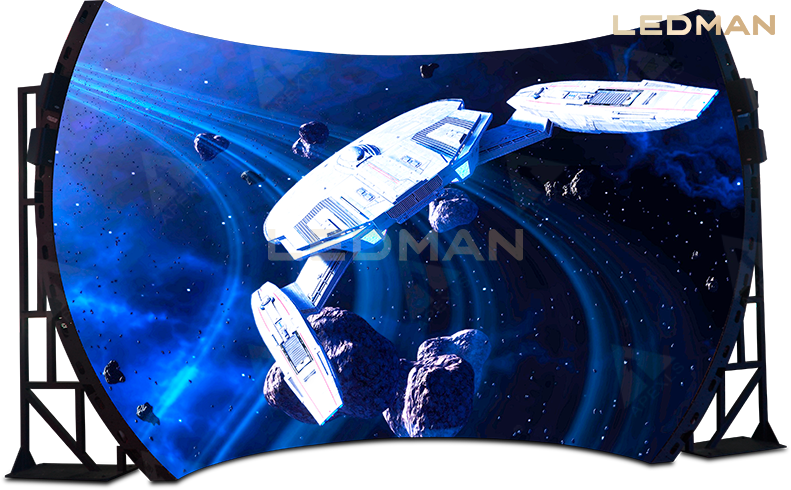
These solutions are already supporting applications across broadcast centers, corporate environments, commercial spaces, command centers, and high-end display installations.
From Trend to Industry Standard
The discussion around COB is no longer about potential.
It is about adoption.
As the industry continues to prioritize efficiency, reliability, and long-term performance, COB is rapidly moving from a technology choice to an industry standard.
At LEDMAN, we believe this transition is only just beginning. By continuously advancing COB technology and expanding its real-world applications, we remain committed to helping drive the next stage of Micro LED development.


