







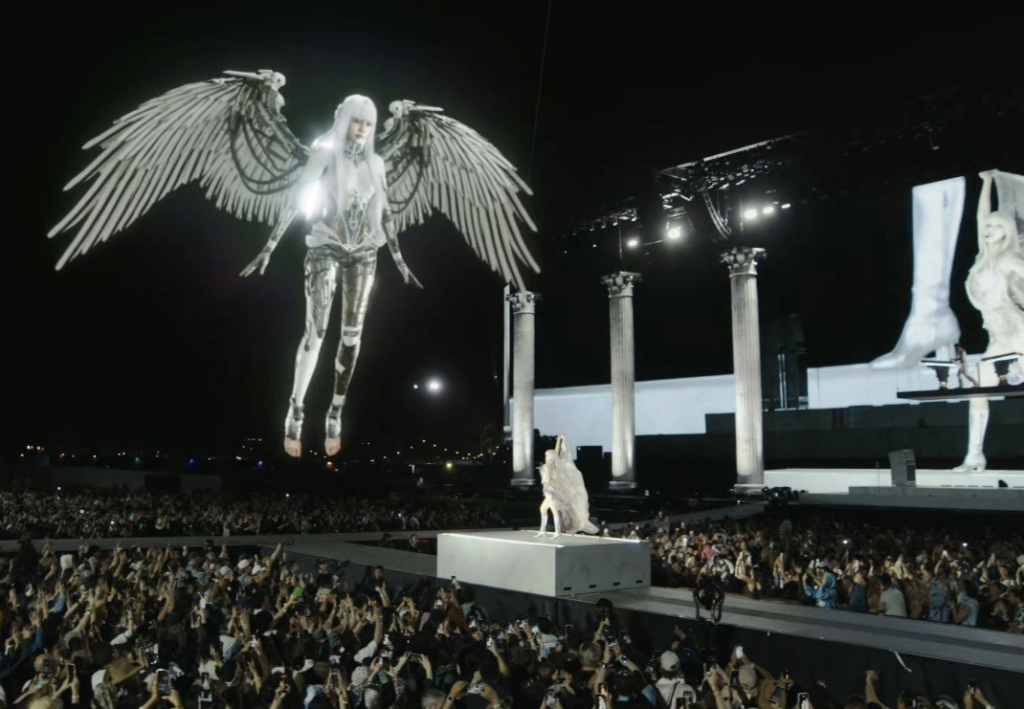

At this year’s Coachella, Lisa’s performance quickly became one of the most talked-about moments of the festival.
A giant digital figure appeared to float above the stage. Particles swirled through the air. Real performers and virtual elements blended seamlessly, creating what many described as a “hologram-like” experience.
But here’s the reality: what looks like a hologram… often isn’t.
What’s Really Behind the Stage Effect?
To understand the illusion, it helps to break the system into three layers.
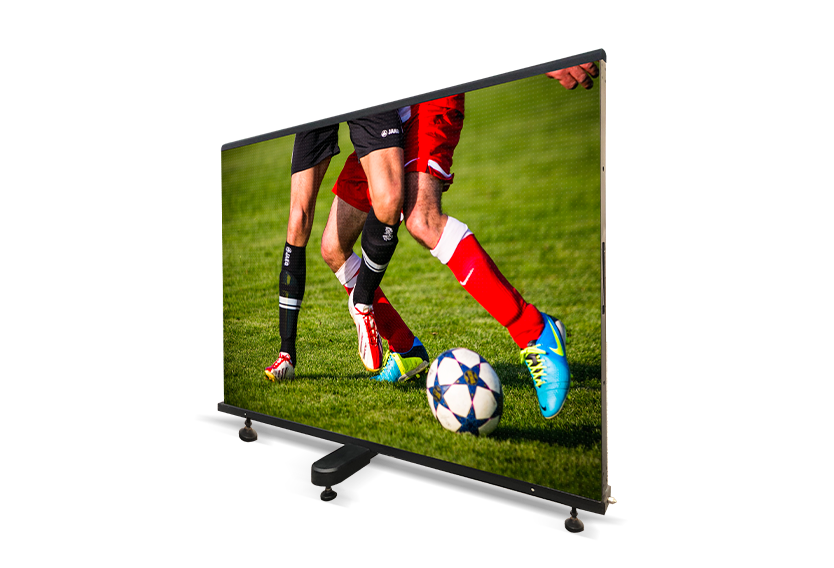
First is the physical stage. The experience is anchored by high-brightness outdoor LED displays, including large background walls and LED floor panels. These screens run precisely designed 3D content — from collapsing structures to larger-than-life digital characters — all synchronized with choreography and stage movement. When virtual visuals align with real stage elements, the screen begins to “disappear,” making content feel physically present.
Second is real-time rendering. Motion capture systems track the performer’s movement and drive a digital counterpart in real time, allowing a virtual version to move in perfect sync. This creates the illusion of interaction between the physical and digital — not just a background animation, but a second presence sharing the same stage.
Third is the broadcast layer. Many of the most dramatic visuals — such as giant figures or large-scale environmental effects — exist only in the live stream. These are created using AR, where virtual elements are composited into the camera feed based on real-time tracking. As the camera moves, digital content stays locked in place, blending seamlessly with the real stage.
Together, these layers create a convincing “hologram-like” effect — not through true holography, but through precise system integration.

Why LED Is the Real Foundation?
The illusion may look futuristic, but its success depends on something very concrete: LED wall performance.
For a stage like this to work, the LED system must deliver high refresh rates to eliminate camera flicker, along with sufficient brightness to remain visible under ambient lighting. More importantly, it must achieve strong contrast and precise light control — because visual depth is defined not by peak brightness, but by how effectively the display renders true blacks and minimizes light leakage. When black levels are clean, the screen itself begins to “disappear,” allowing digital content to feel as if it exists in real space rather than on a surface.
In practice, this translates into clear engineering requirements: refresh rates of 3840Hz or higher for broadcast, precision-aligned modules for seamless large-scale visuals, and display systems that maintain stable performance across different lighting conditions. At large-scale events, strong ambient light can easily wash out visuals, while expansive stage surfaces make even minor misalignment immediately noticeable. At the same time, tight setup schedules and repeated installations demand systems that are not only visually capable, but also fast to deploy and reliable over time.
When any of these factors fall short, the illusion breaks — both for the live audience and for viewers watching on screen.

Where Rental Design Makes the Difference?
For rental professionals, success is not just about how a stage looks — it’s about how efficiently and reliably it runs.
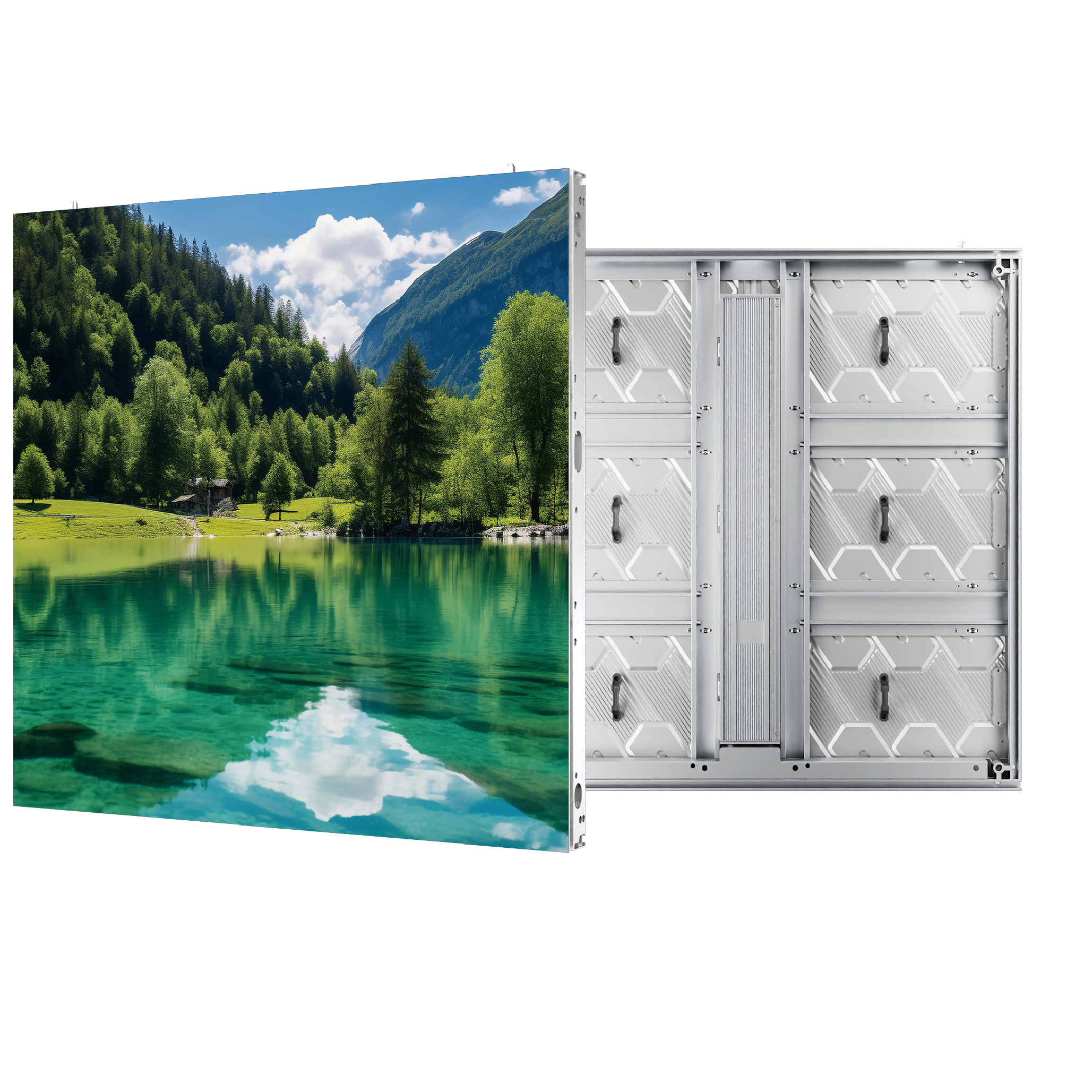
In real-world productions, small design details make a measurable difference. Automated protection structures help reduce handling damage while significantly speeding up installation. More secure module locking systems improve stability under wind, vibration, and repeated assembly. Service-friendly components — such as tool-free or one-handed removable power modules — enable rapid on-site replacement when every second matters.

At the same time, optimized internal layouts and reduced cabling simplify maintenance and troubleshooting, while universal component design minimizes spare parts complexity and streamlines operations across projects.
These are not incremental upgrades — they are engineering decisions that directly impact setup time, failure rates, and total cost of ownership.

Bridging Performance and Practicality
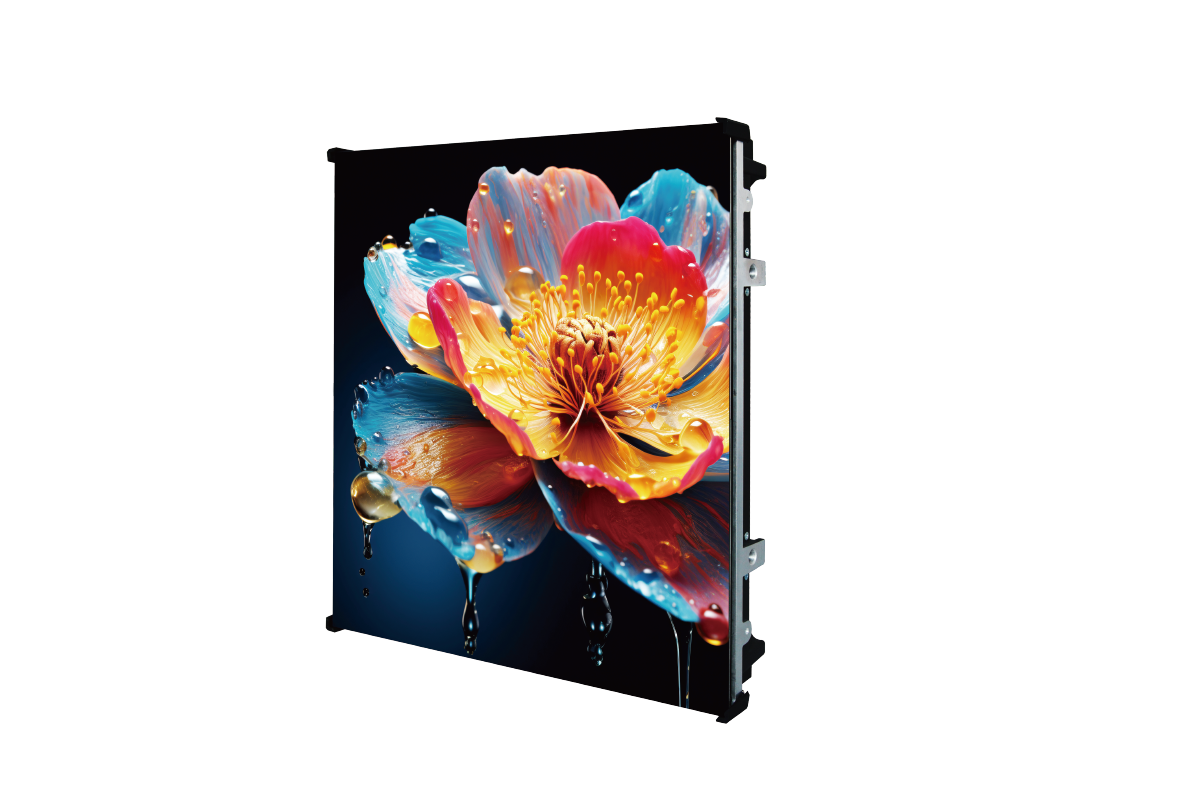
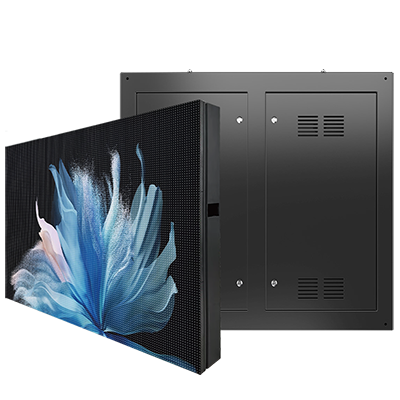
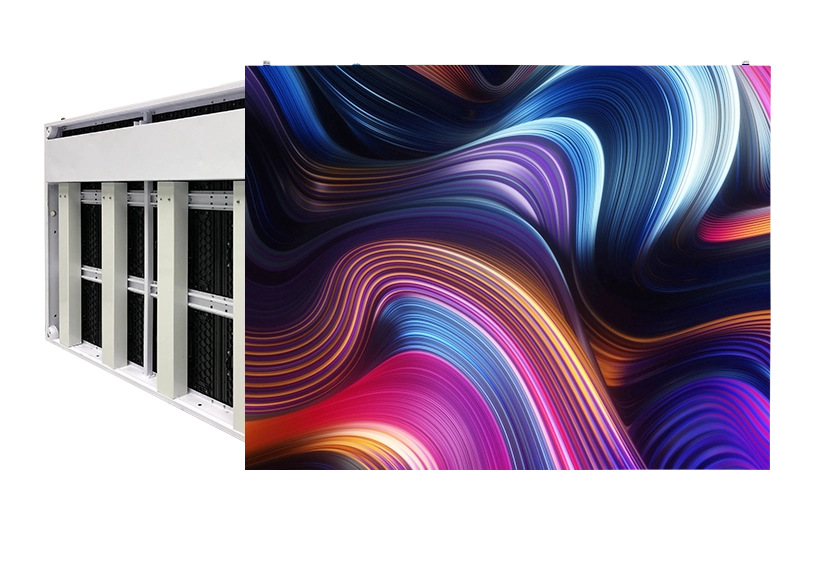
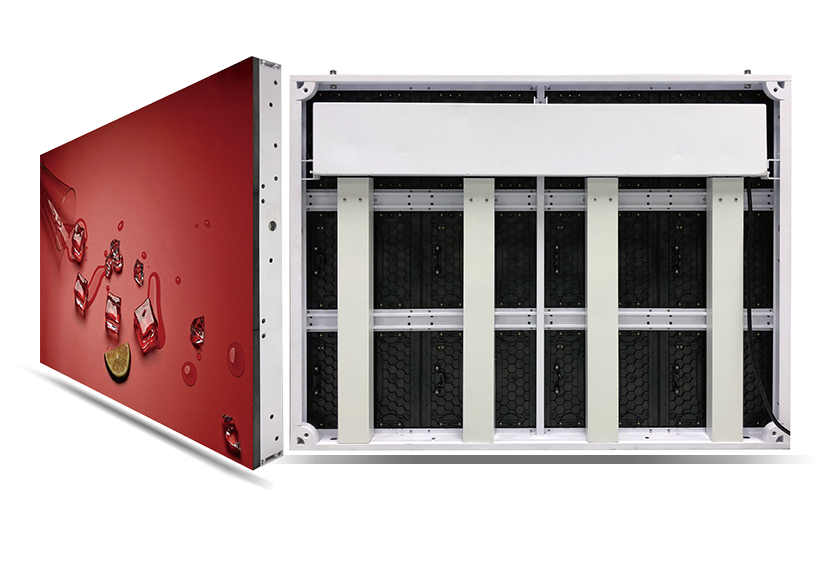
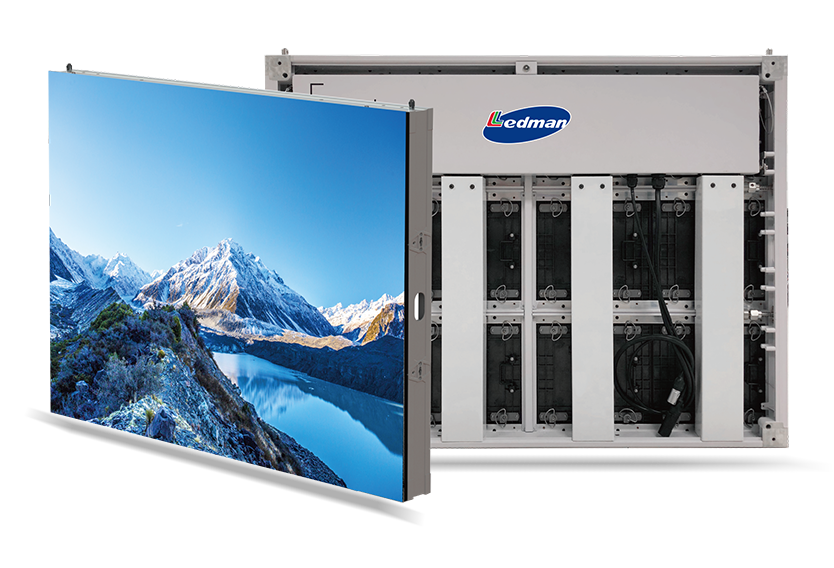
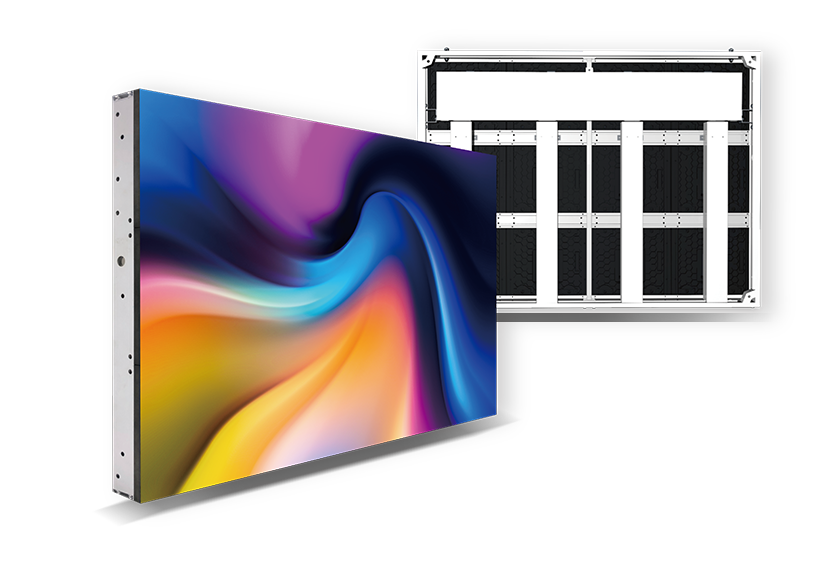
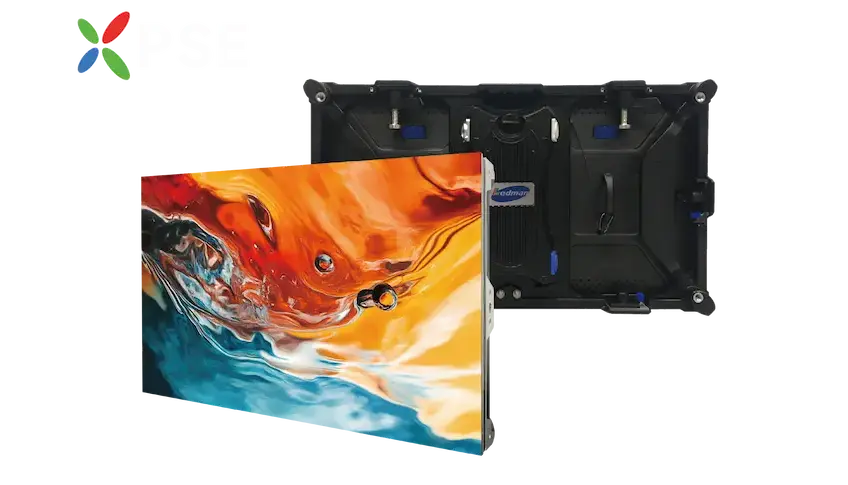
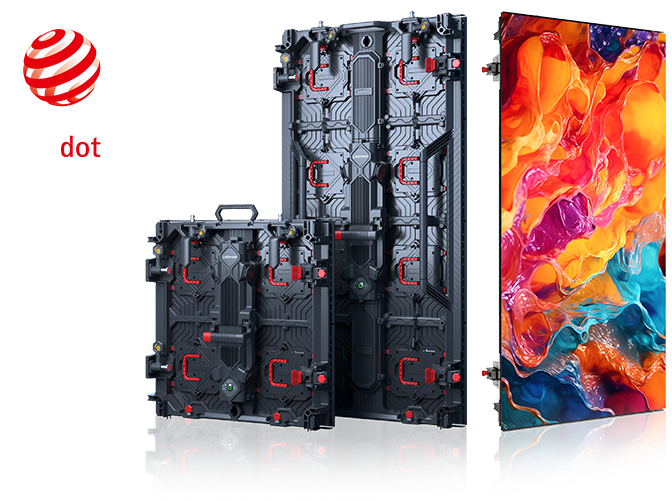
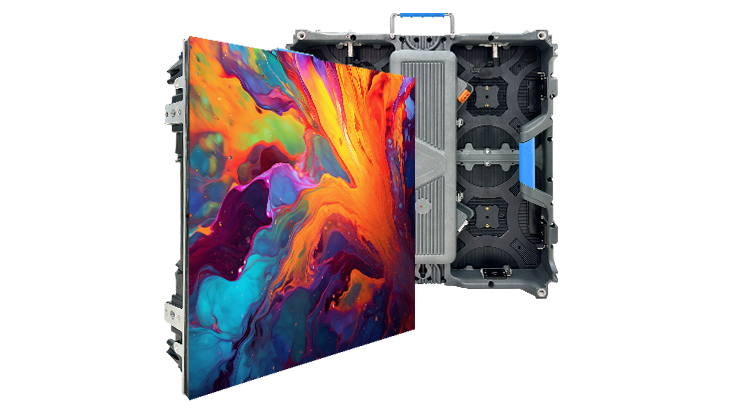
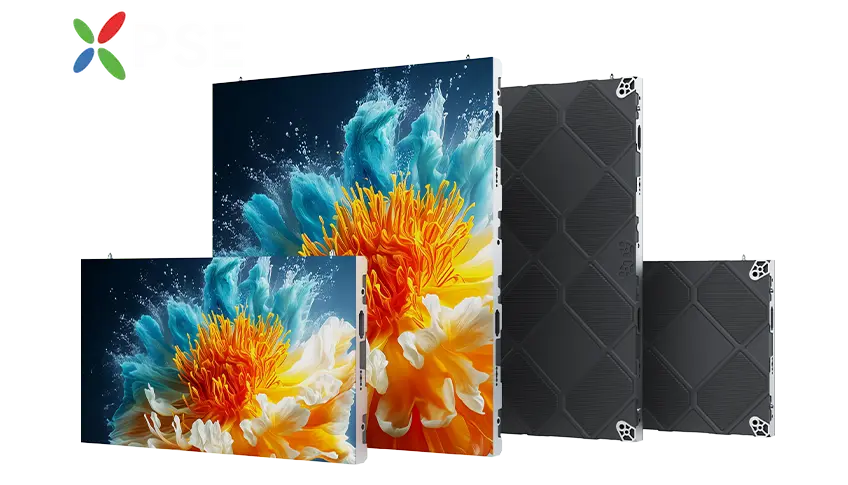
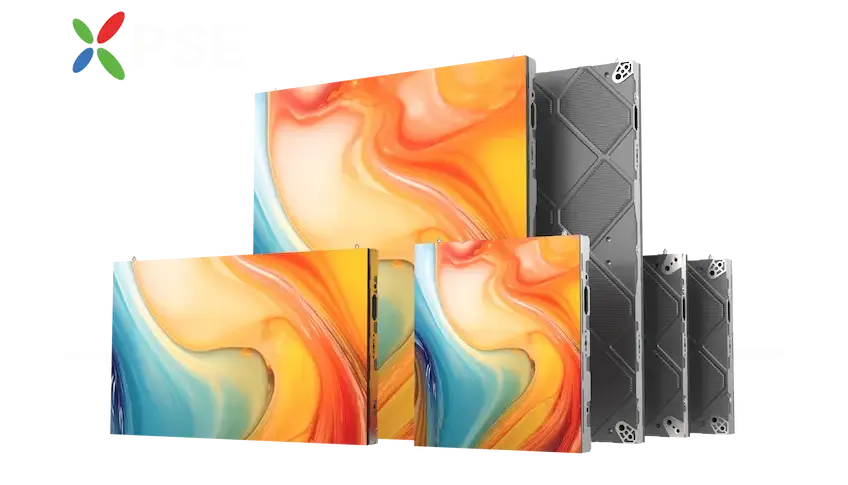
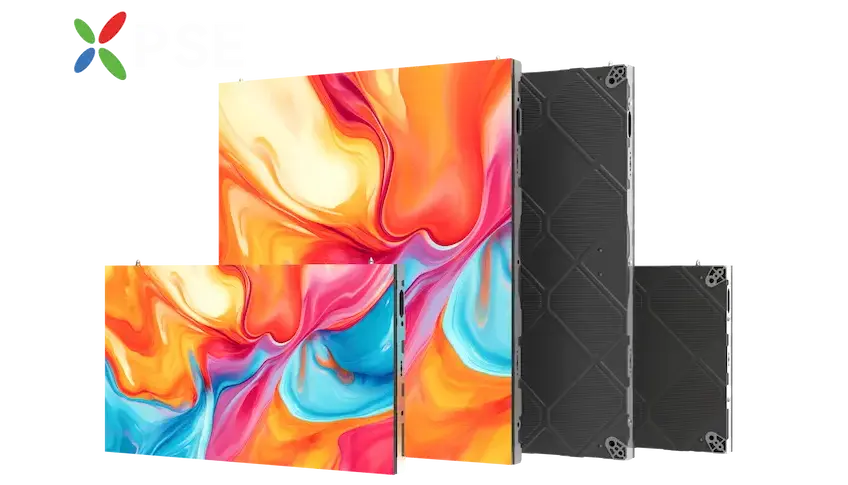
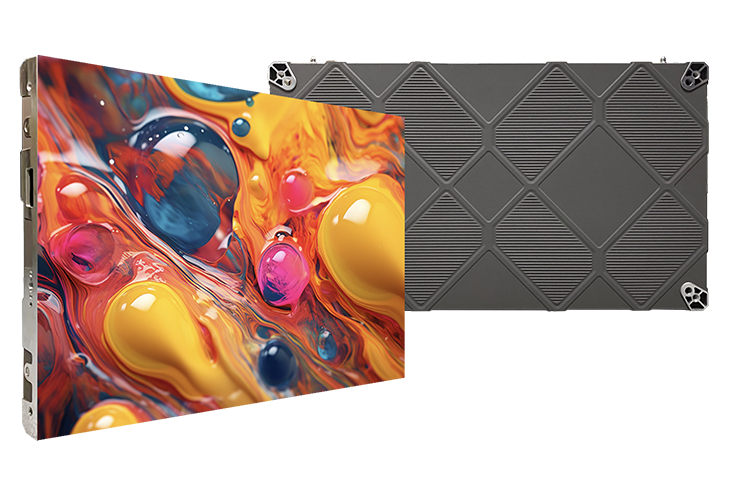
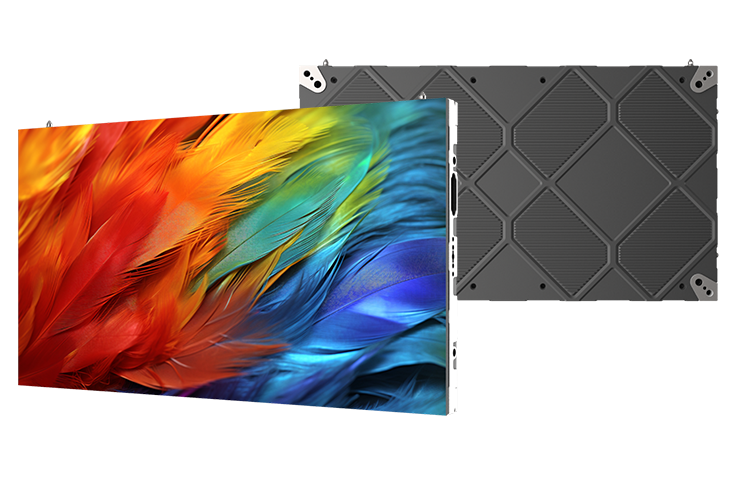
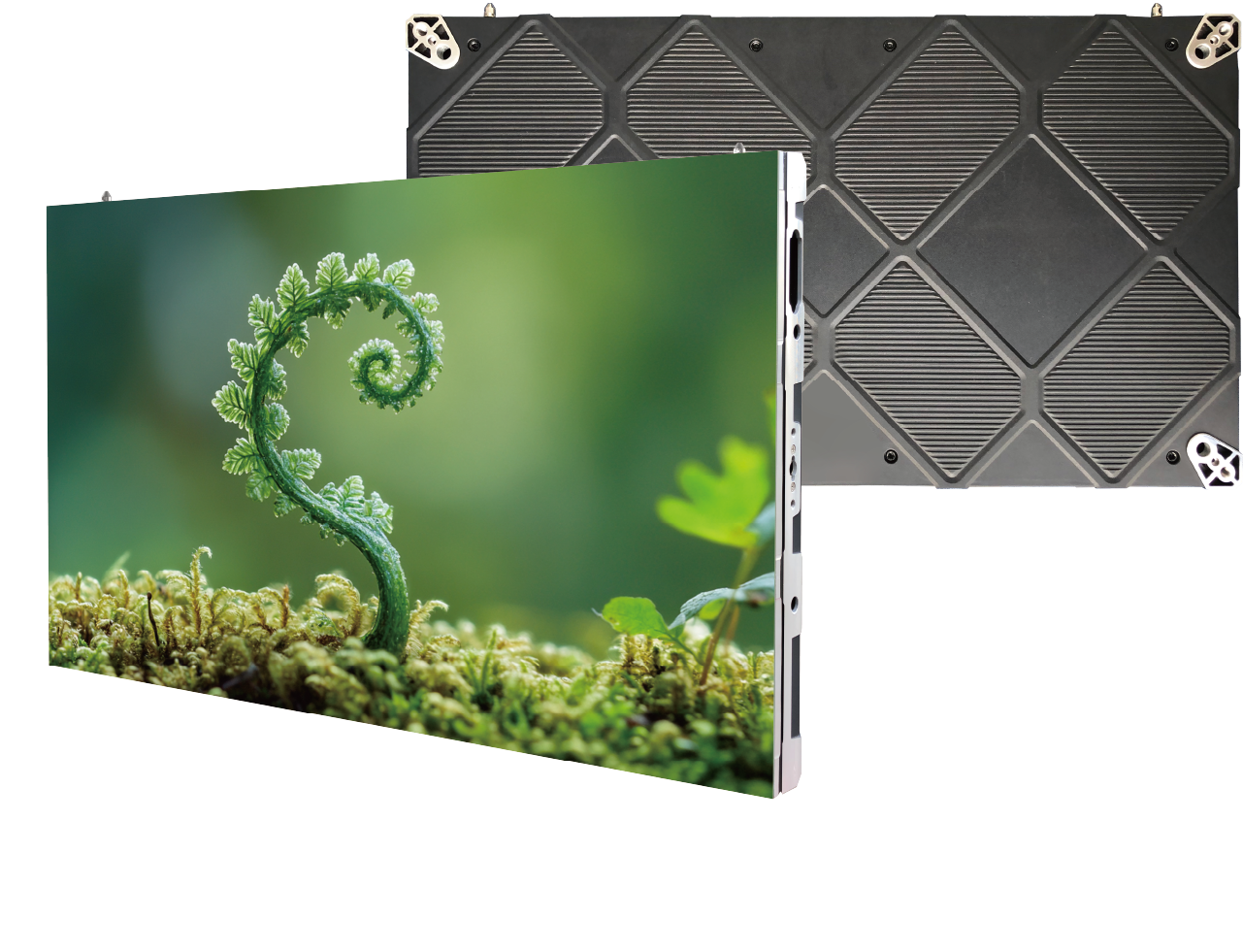
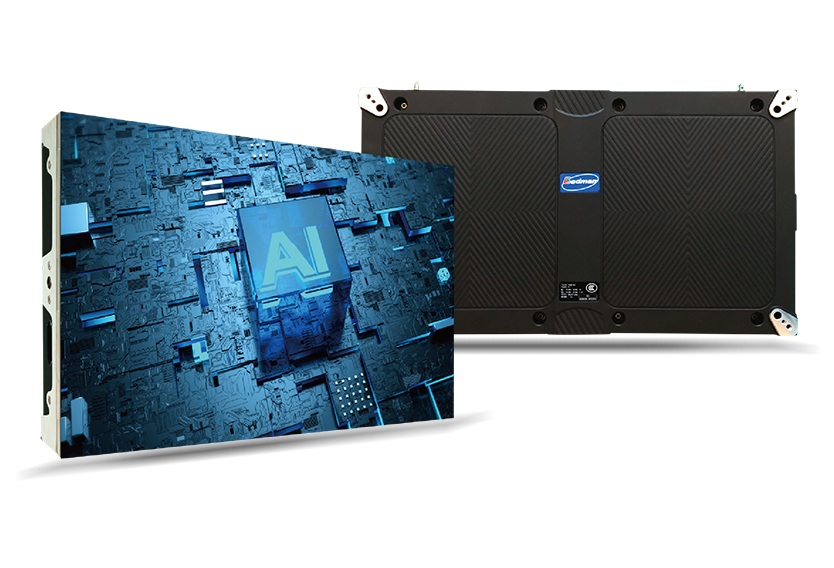
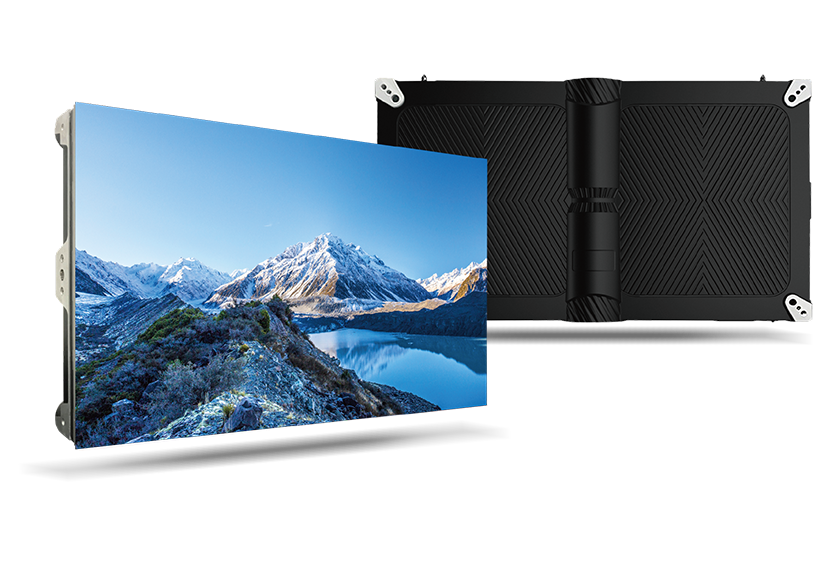
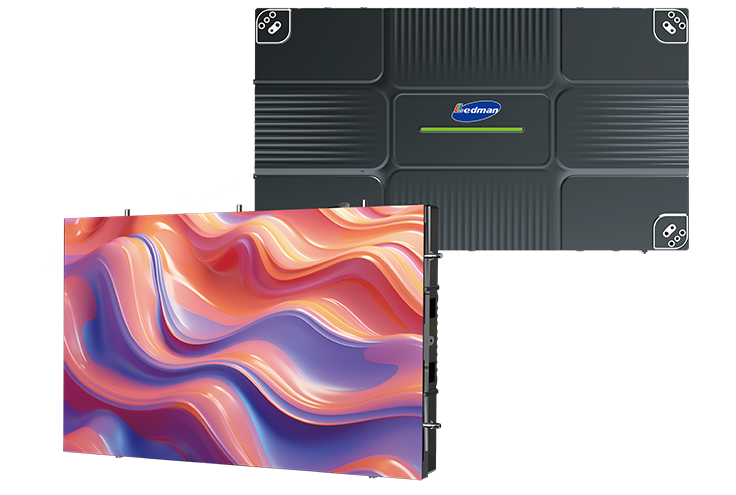
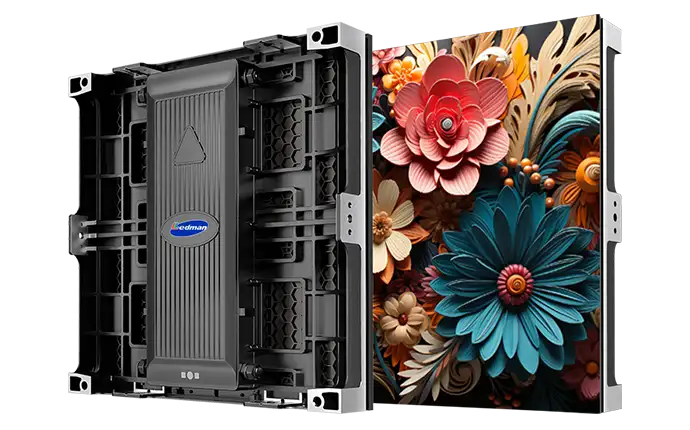
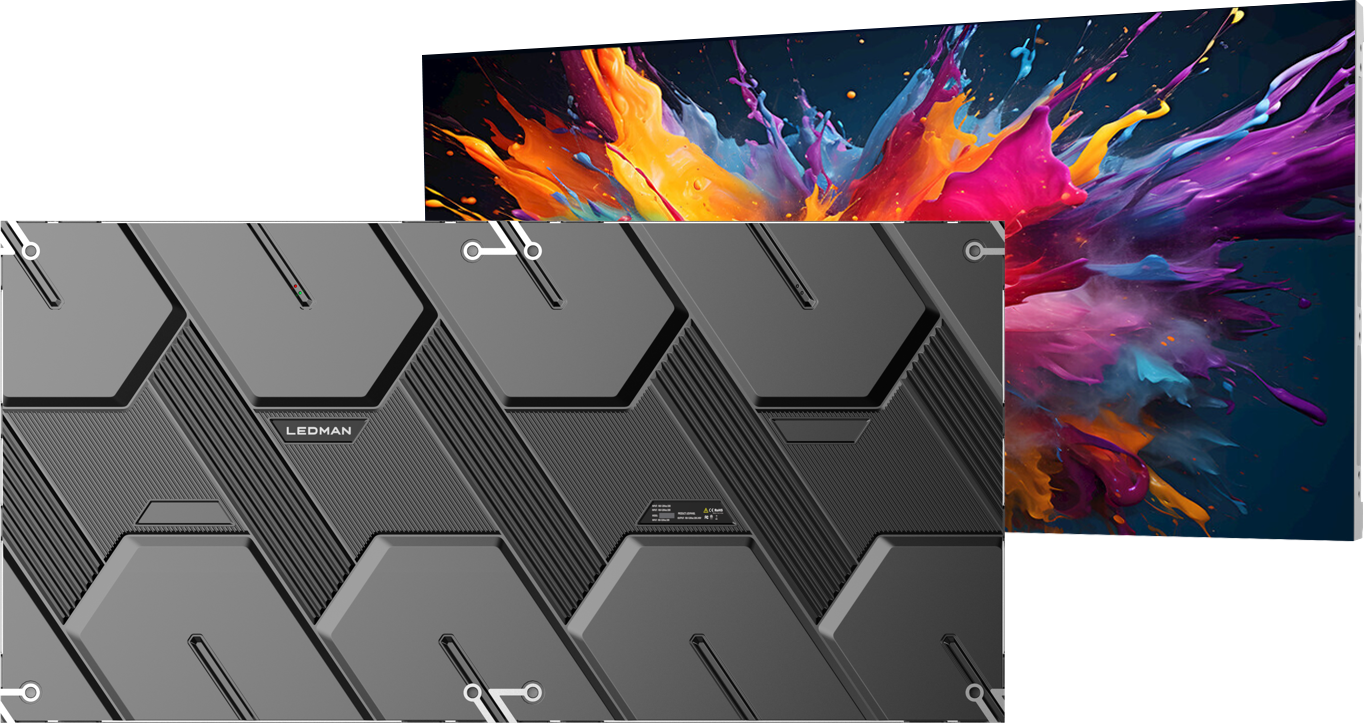
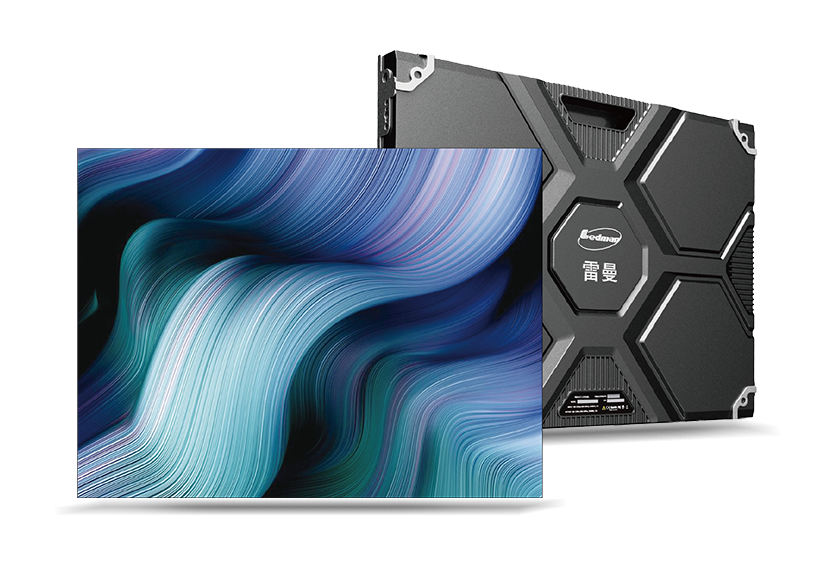
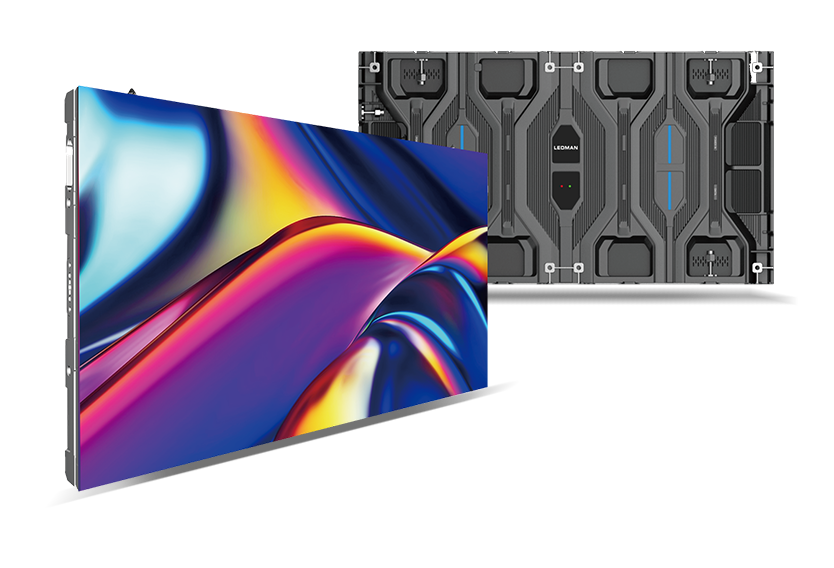
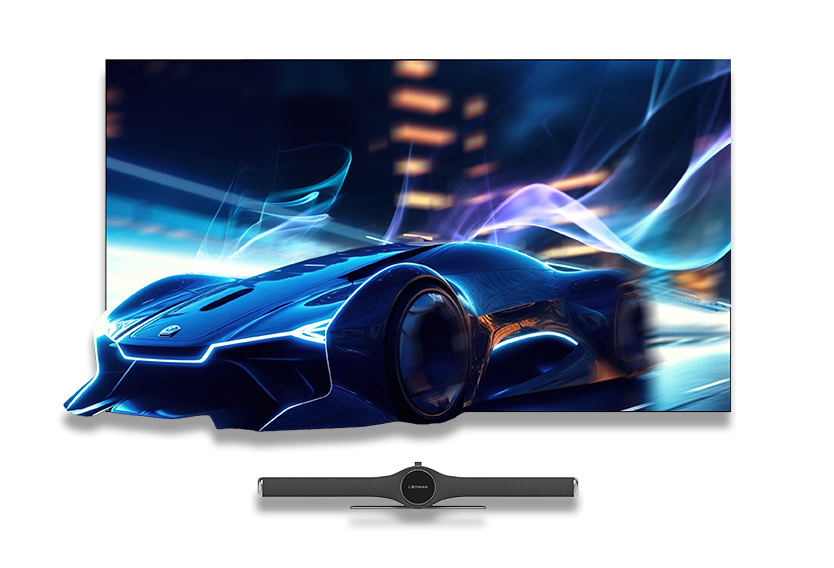
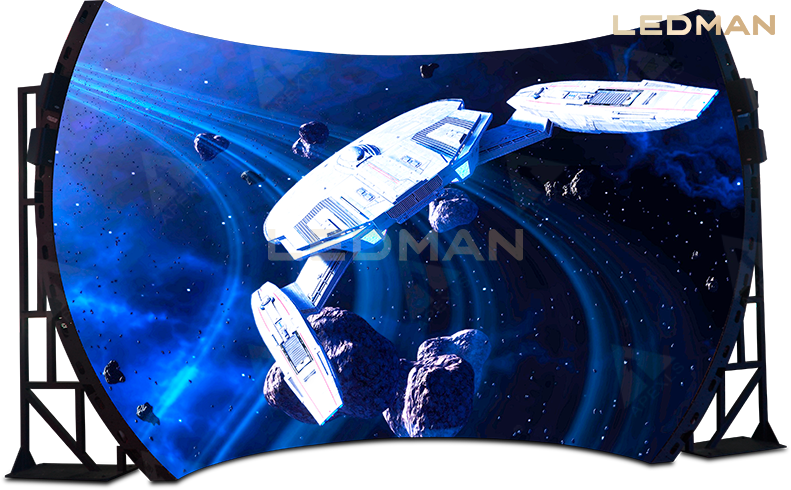
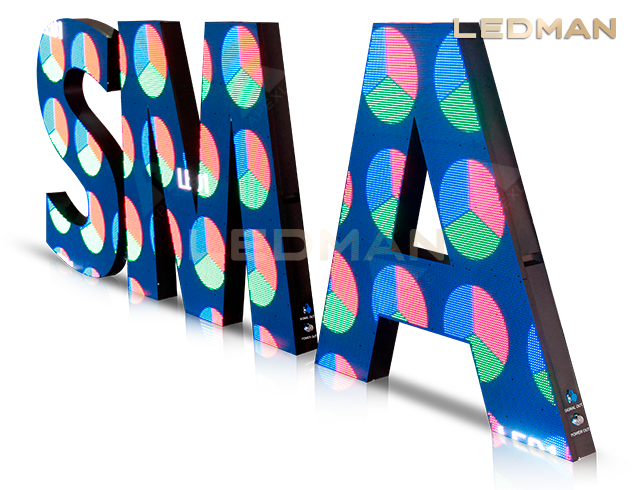
This is exactly the philosophy behind systems like the LEDMAN GM Series SMD HD Indoor/Outdoor Rental LED Display — a design also recognized with the 2025 Red Dot Award for its practical innovation in rental applications.
Designed specifically for rental and event environments, it combines high-performance display capabilities — such as high refresh rates for camera-ready visuals and optimized brightness paired with superior contrast for controlled stage environments — with practical engineering built for the real world.
At the same time, patented protection mechanisms help reduce handling damage, while service-friendly designs — including one-handed removable power modules — enable faster on-site replacement. A universal component architecture further simplifies inventory management and reduces operational complexity across projects.
Together, these features don’t just improve performance — they directly reduce setup time, minimize failure risk, and lower total cost of ownership.
Because in large-scale events, the difference between a smooth show and a costly failure rarely comes down to the concept — it comes down to whether the system behind it is built for the real world.
Indoor & Outdoor LED Display Screen | GM Series | LEDMAN
marketing@ledman.com


