



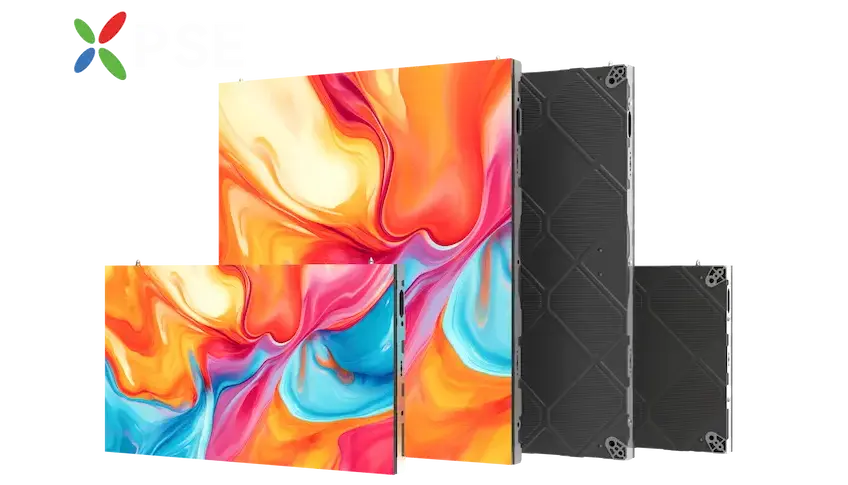
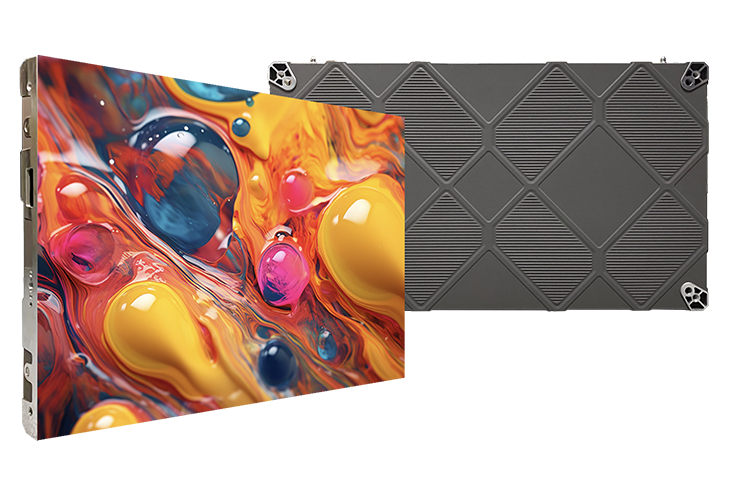
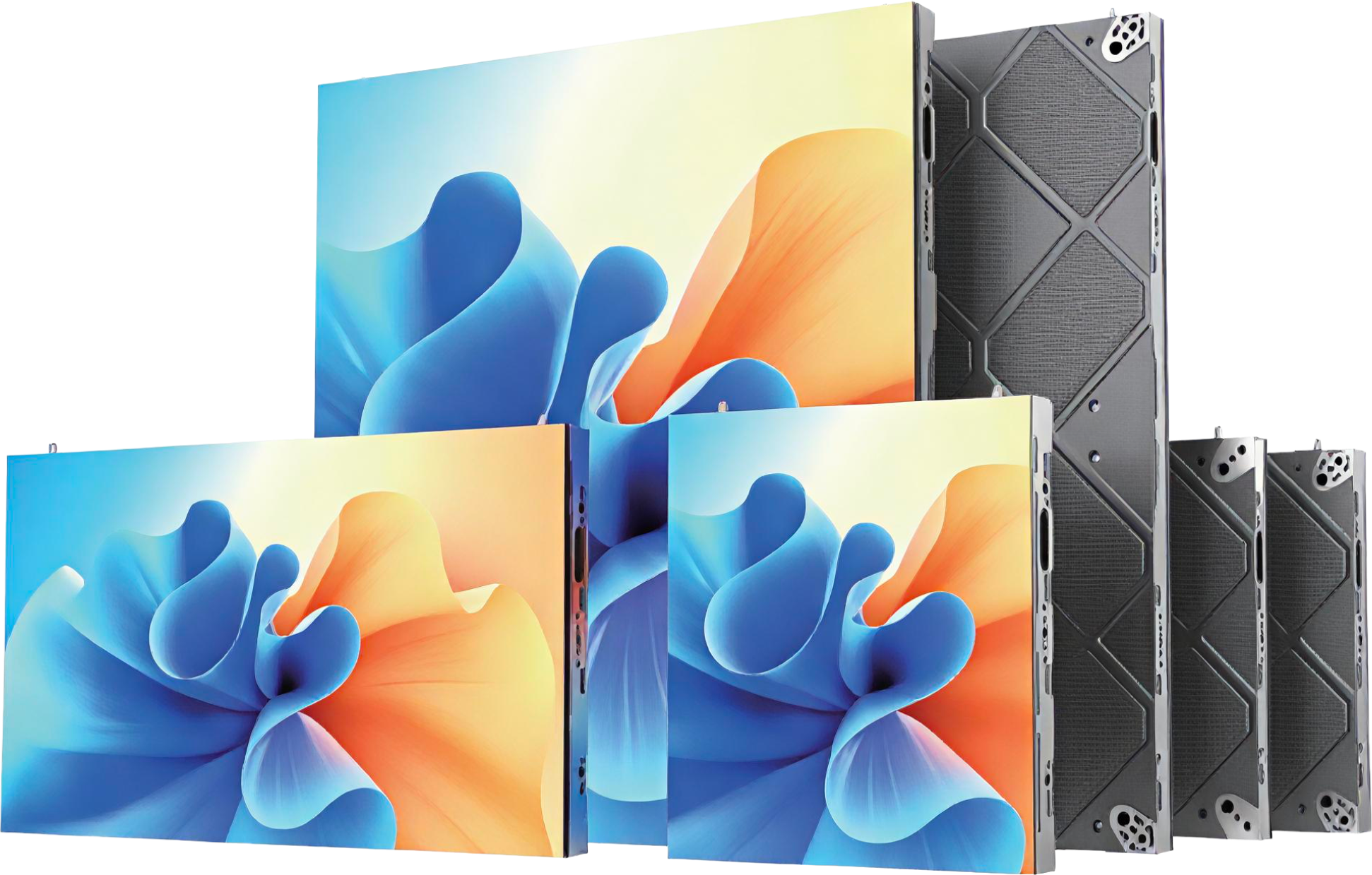
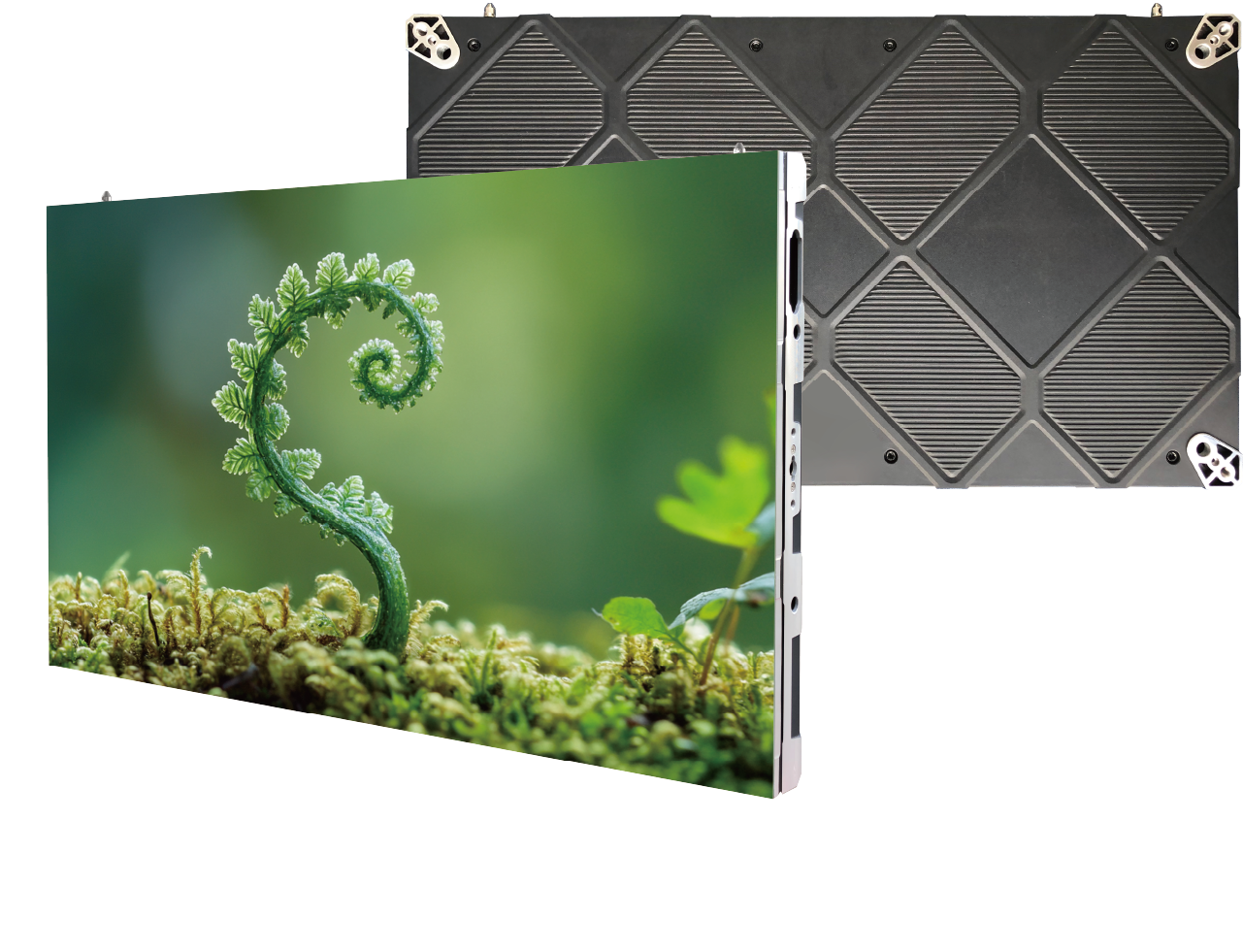
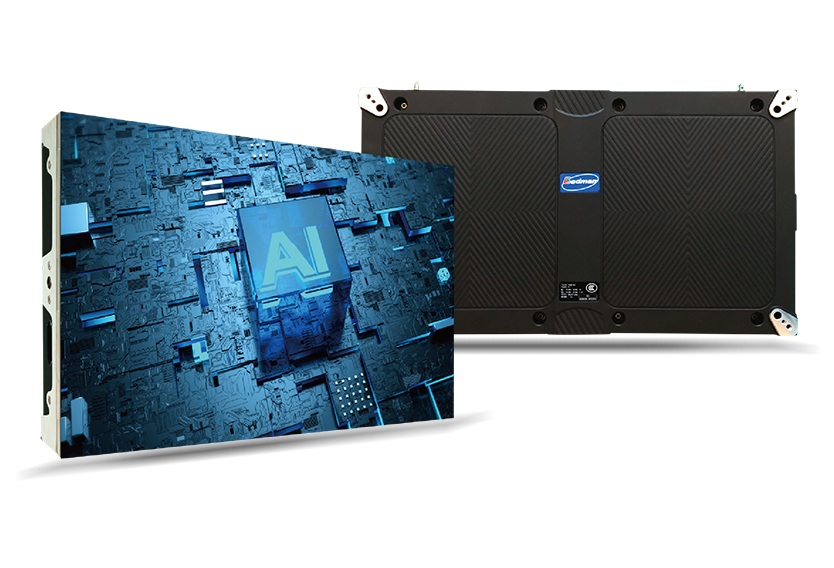
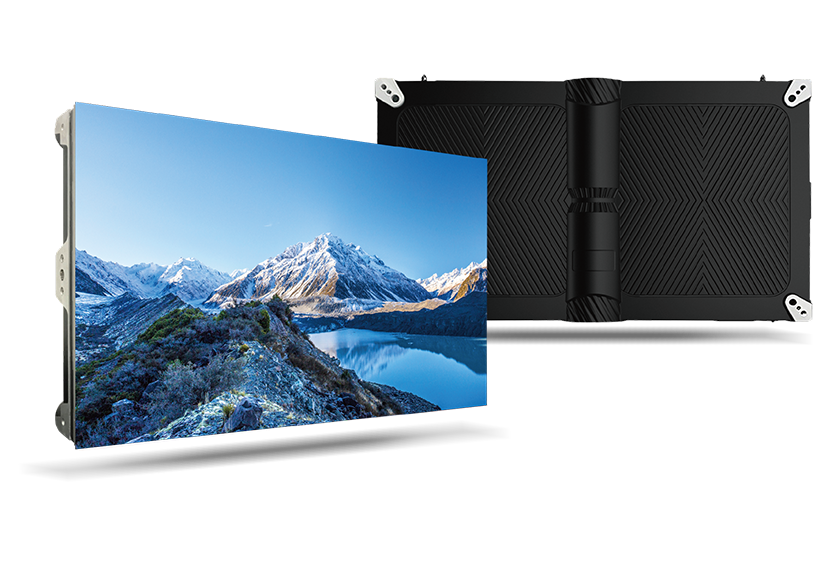
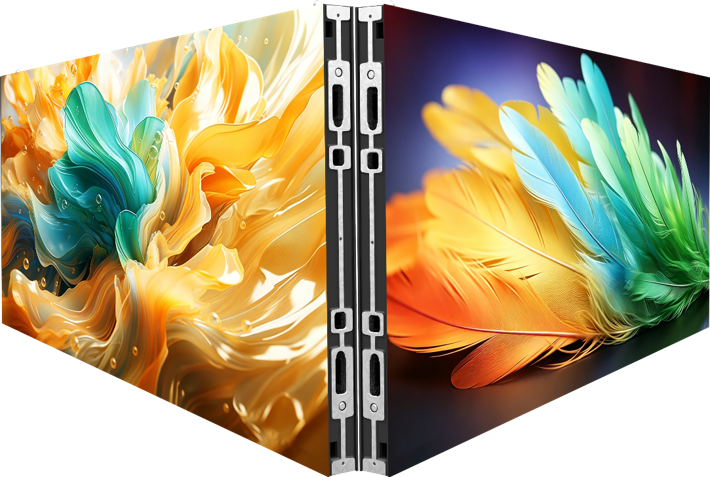
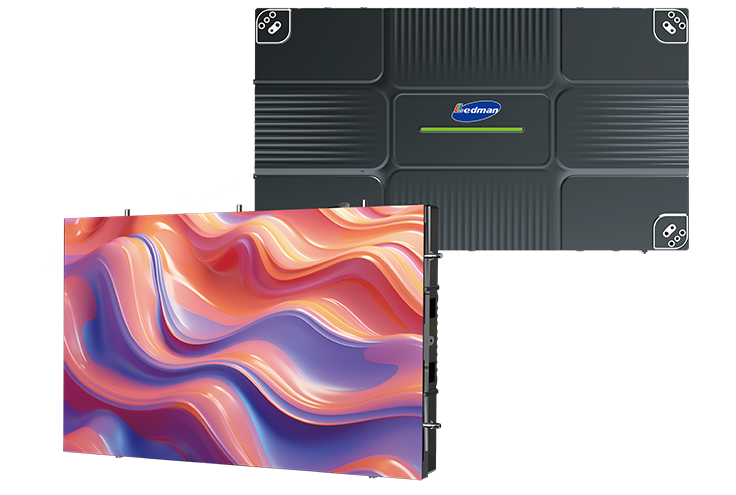
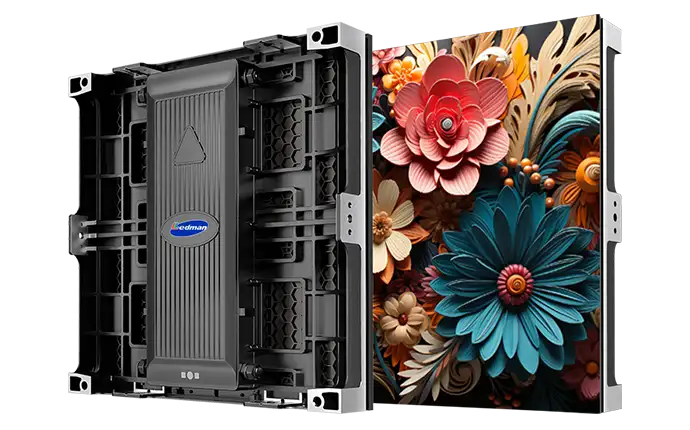
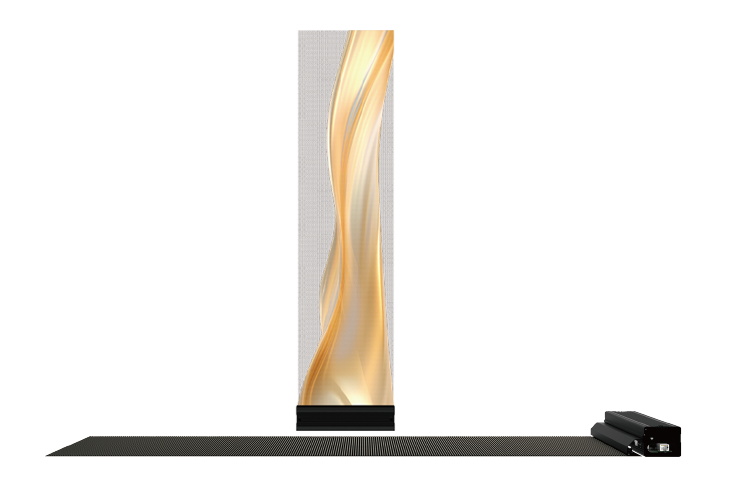
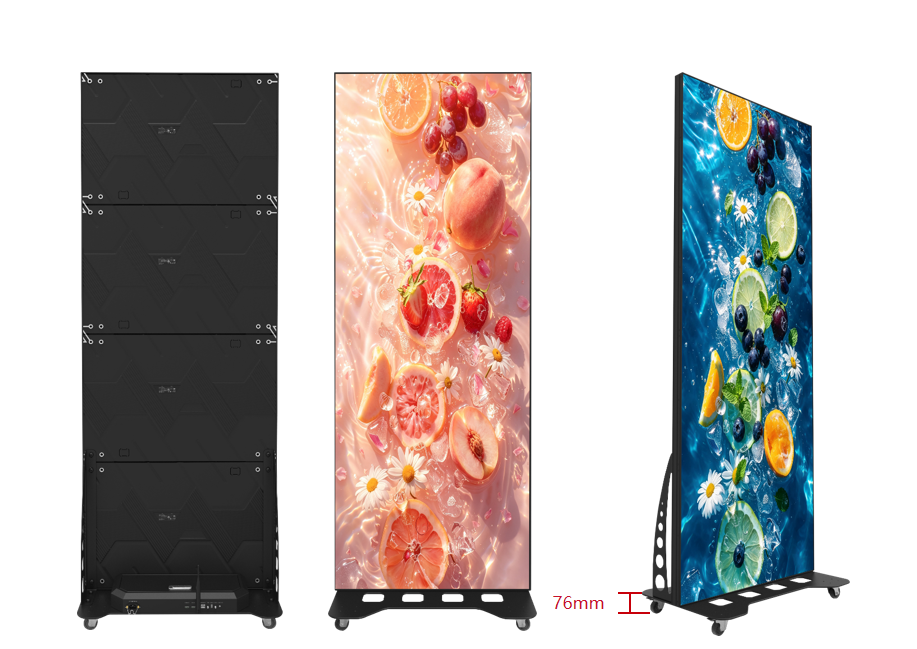
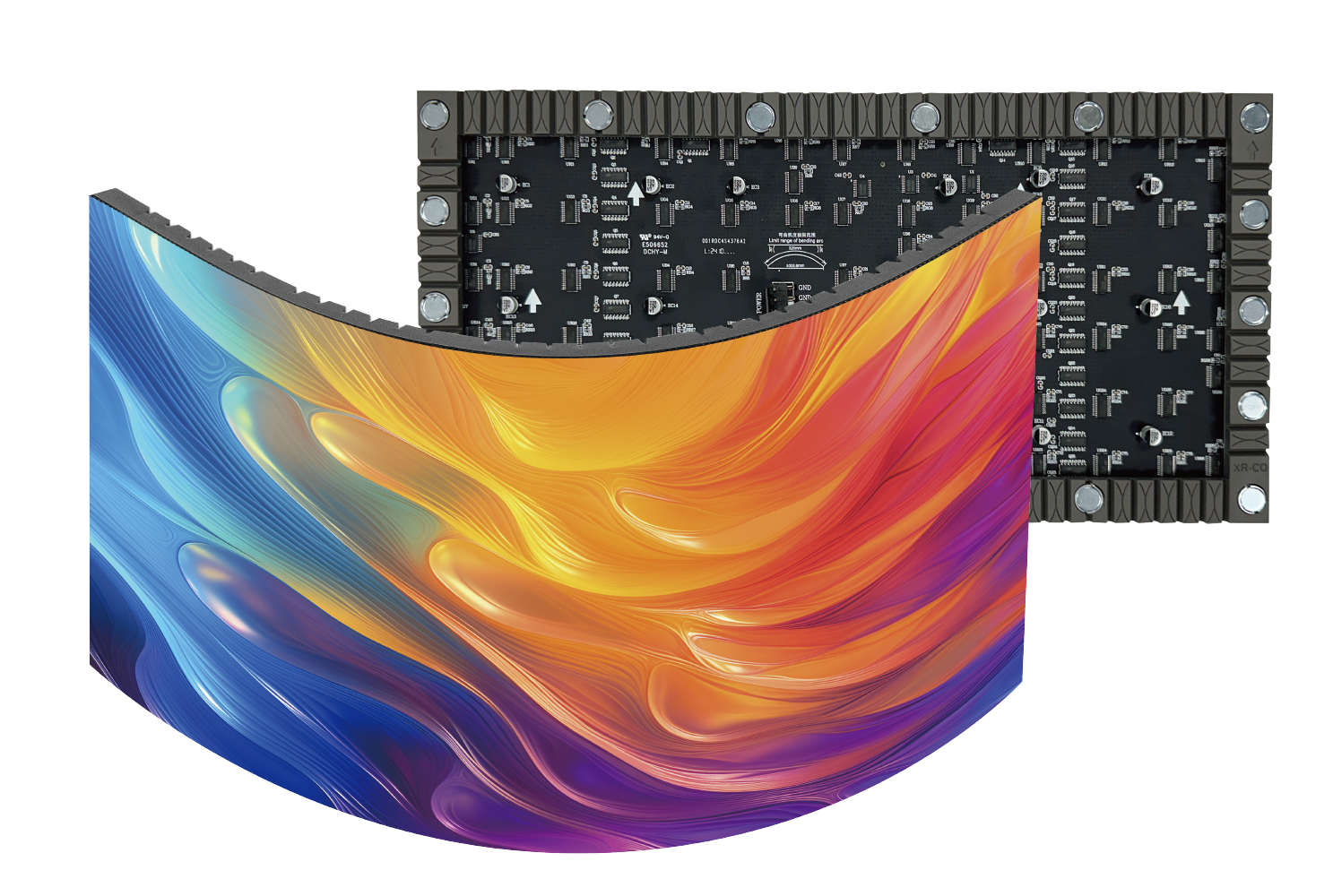
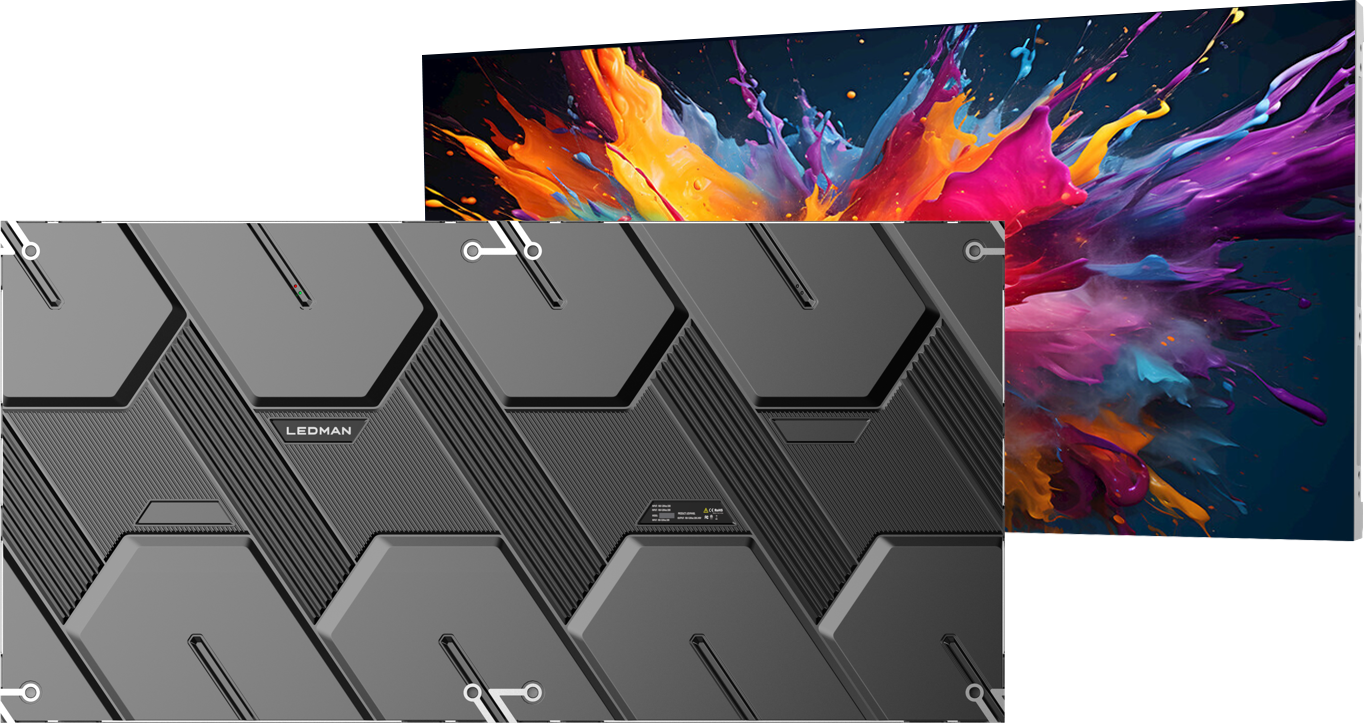
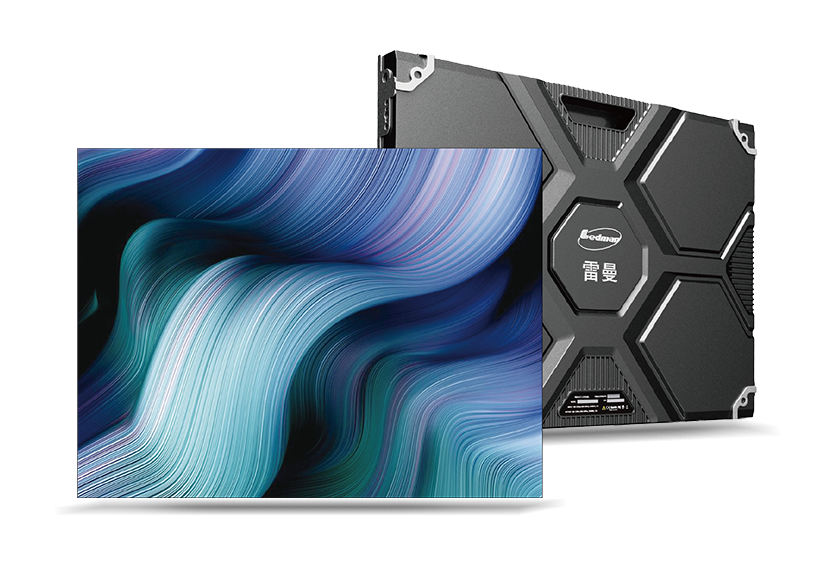
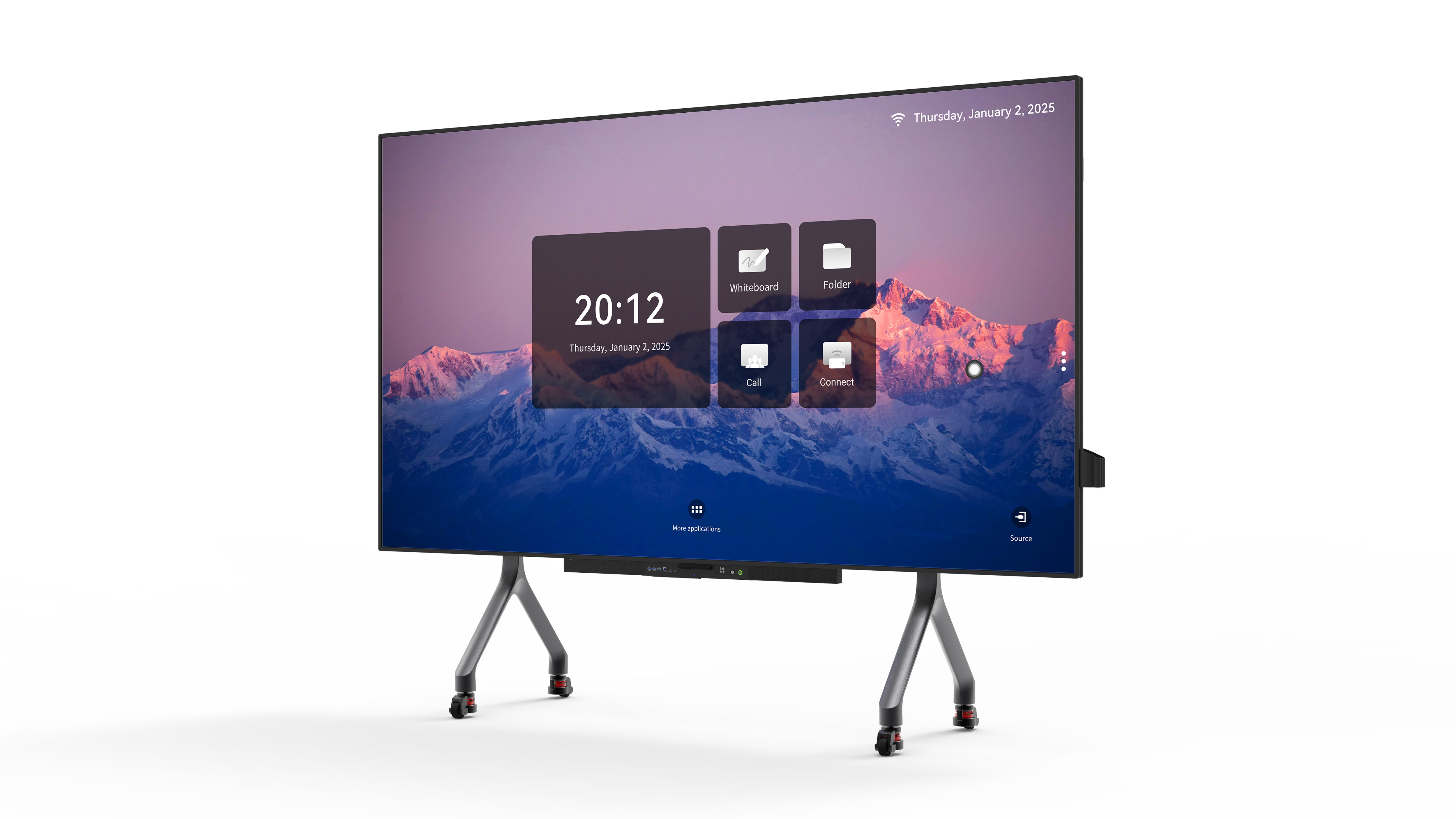




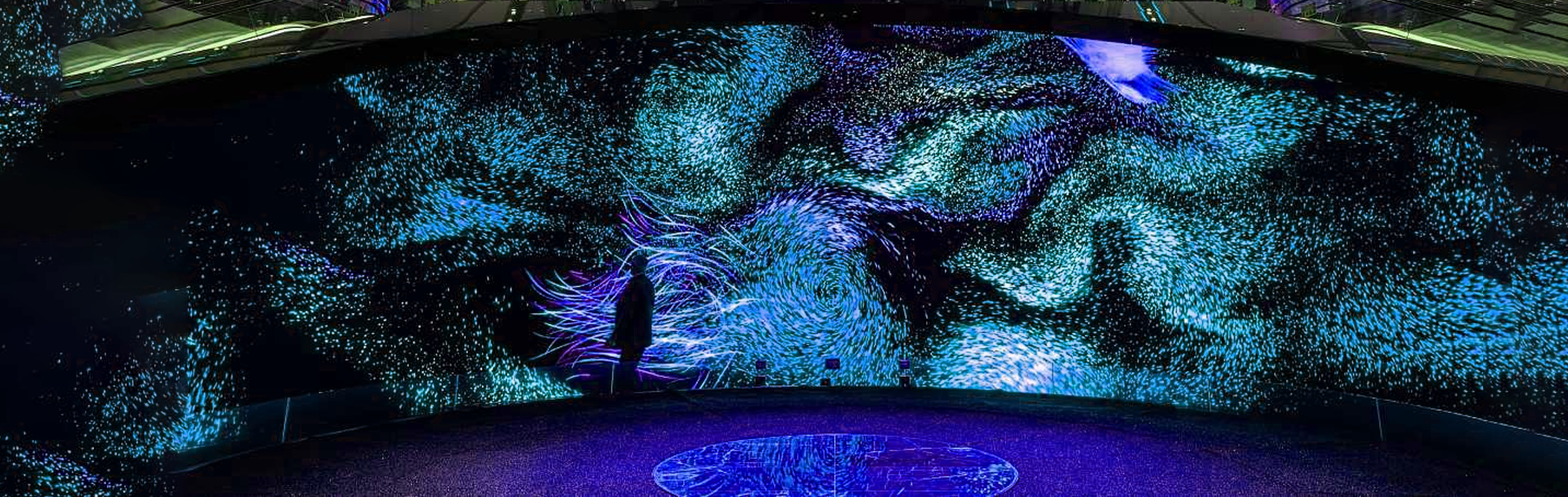
The evolution of digital signage has moved beyond rigid, flat surfaces toward more organic and adaptable forms. Flexible LED displays represent this shift by offering bendable modules that maintain high-quality visuals on non-linear surfaces.
By removing geometric constraints, these displays provide a versatile tool for immersive storytelling and branding.
Key Attributes of a Flexible LED Display Screen
Adaptable Structural Design
One of the most significant advantages of this technology is its departure from the standard rectangular format.
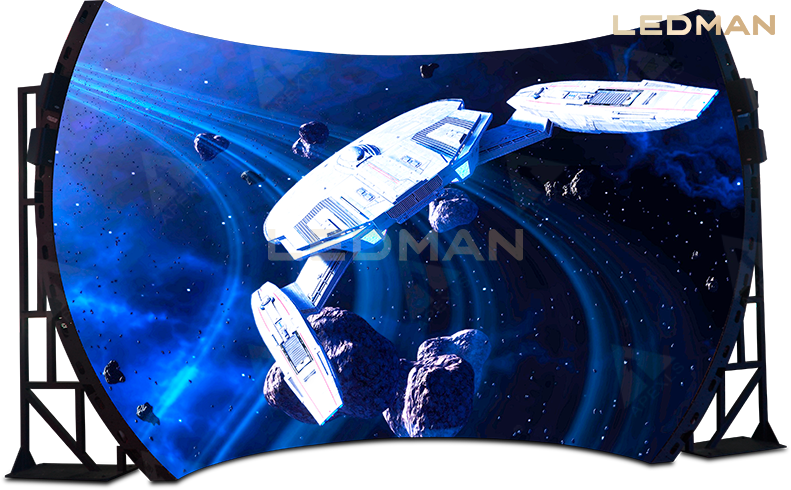
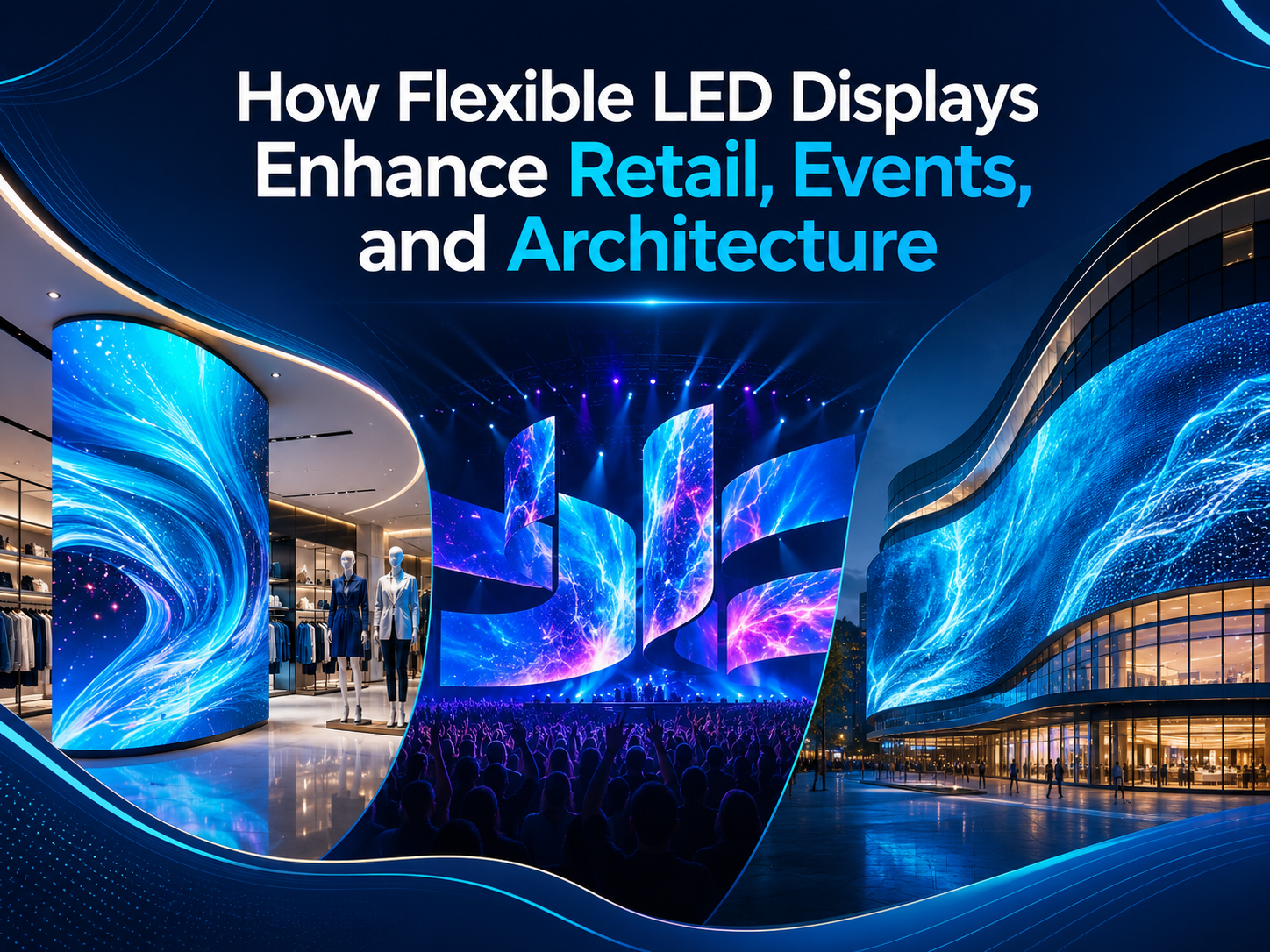
Traditional displays require flat mounting surfaces, which limits their application in modern buildings or creative stages. A flexible LED display screen can bend to accommodate curved, cylindrical, or even irregular shapes.
This adaptability allows for the creation of 360-degree viewing experiences that are impossible to achieve with rigid hardware.
Lightweight and Modular Construction
Beyond their ability to bend, these systems are characterized by a lightweight and modular design.
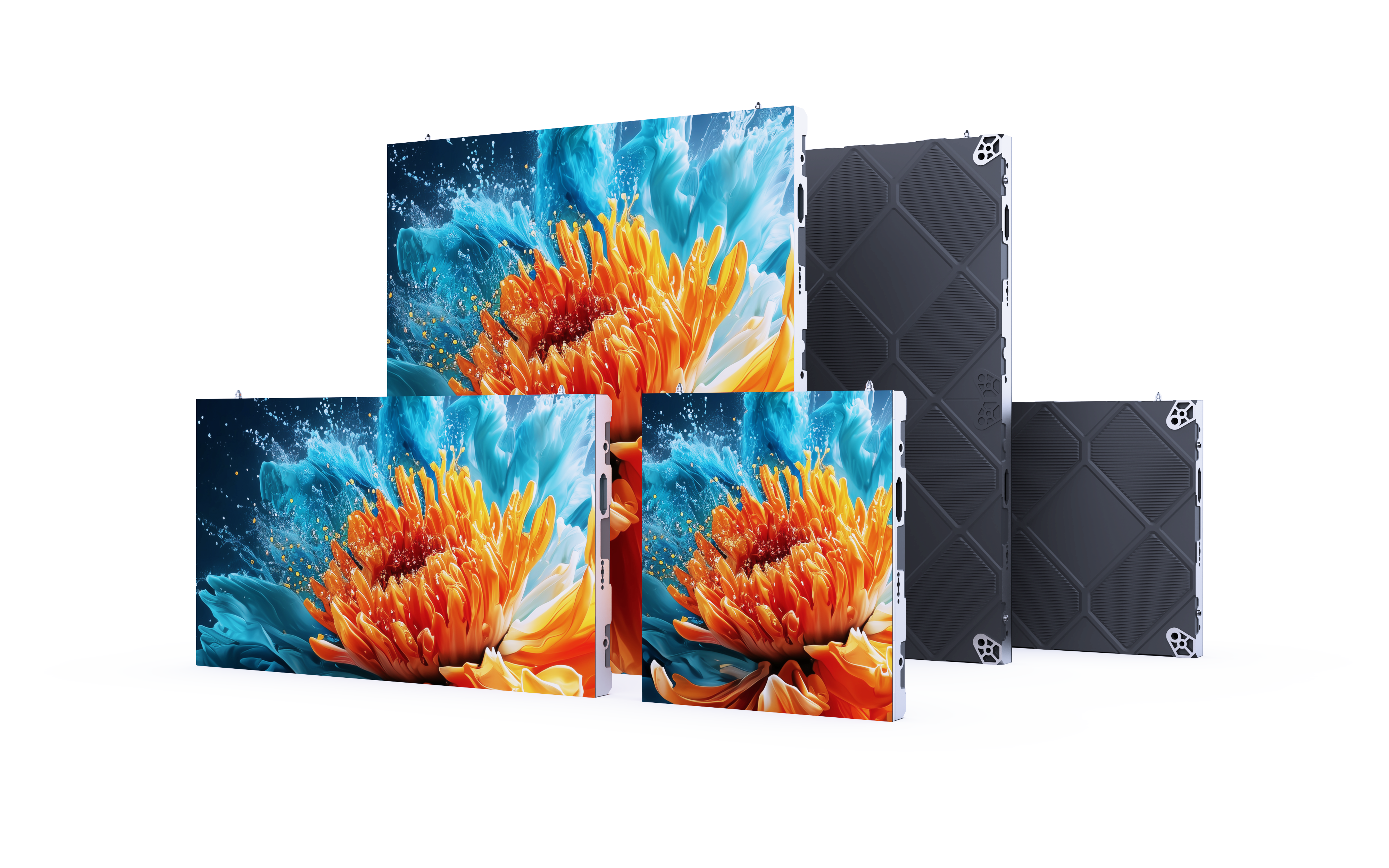
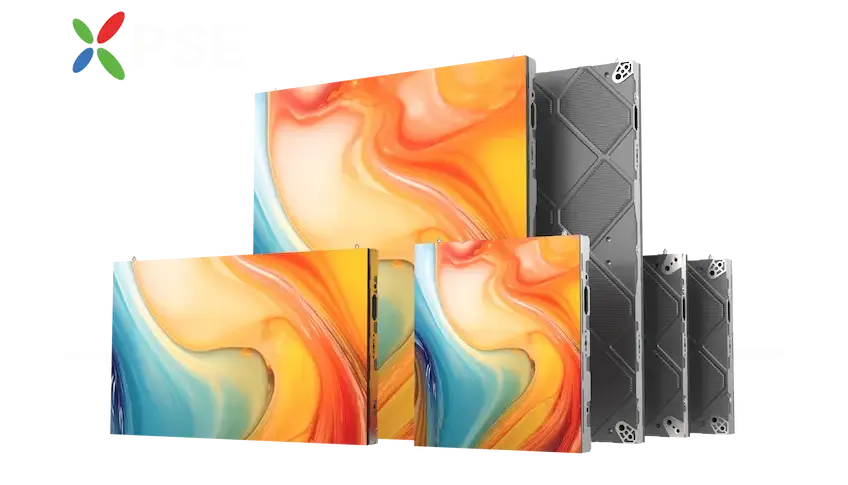
Because the modules are often thinner than standard LED panels, they put less strain on the building structure. Most modular units are designed for quick assembly, allowing technicians to link them together seamlessly. This modularity also ensures that maintenance is efficient, as individual parts can be replaced without dismantling the entire installation.
High-Quality Visual Performance
While flexibility is a primary selling point, visual integrity remains a priority.
Modern flexible led display panels maintain high brightness levels and color consistency across the entire curved surface. These screens offer fine pixel pitch options that ensure clarity even when viewers are standing close to the display.
Furthermore, high refresh rates eliminate flickering, which is essential for professional broadcast environments and high-end retail displays.
Greater Creative Freedom
The move away from standard formats provides designers with unprecedented creative freedom.
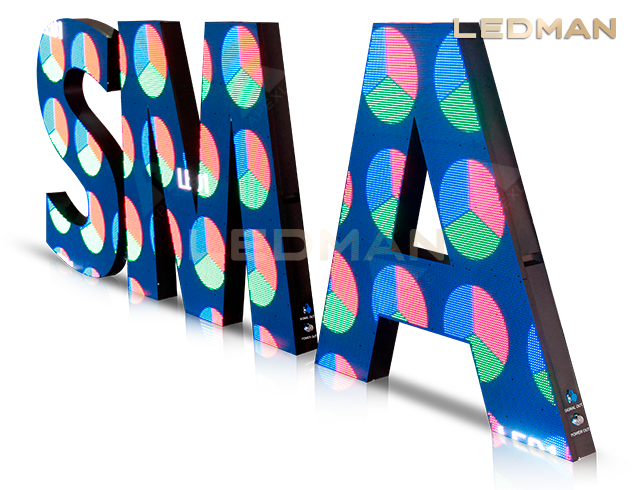
Without the limitation of flat panels, artists can integrate digital content into the very fabric of an environment. Flexible technology enables the construction of digital ribbons, flowing wave-like structures, and spherical displays. This capability encourages brands to think outside the box and develop unique visual identities.
Transforming Retail and Live Events
Enhancing Retail Store Experiences
In the retail sector, the goal is often to create a memorable customer journey.
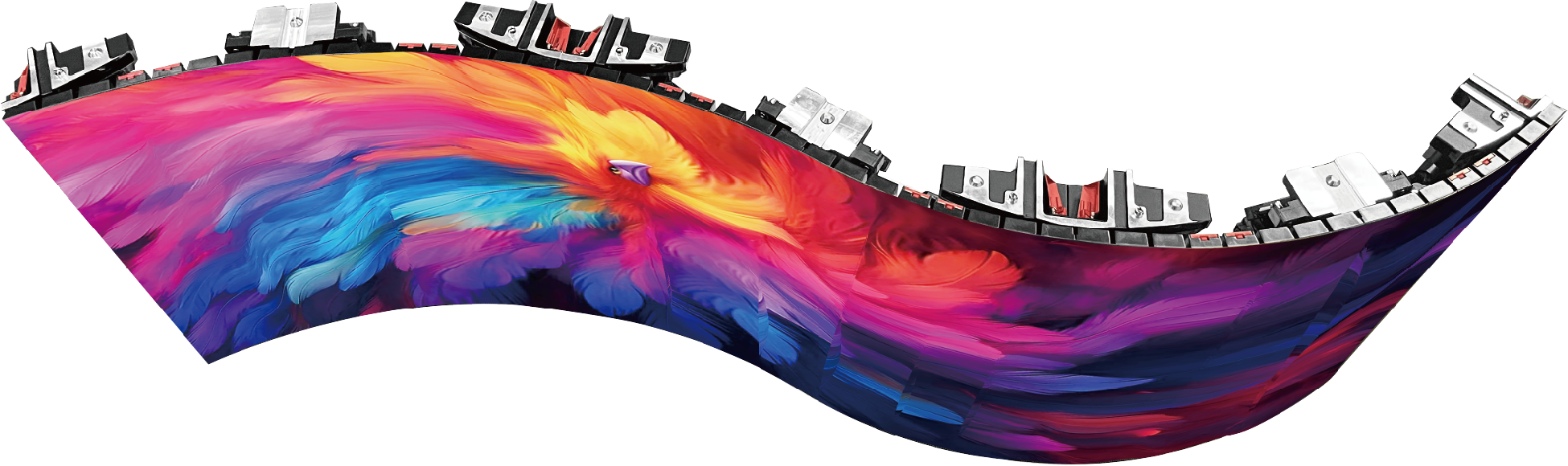
Store owners use flexible led display panels to wrap around structural columns or create overhead digital canopies. These installations draw the eye and provide an immersive atmosphere that flat screens cannot replicate.
Creating More Impactful Event Productions
Live events and entertainment venues require hardware that can be configured and reconfigured quickly.
Flexible screens allow stage designers to build dynamic backdrops that can shift shape between different acts. Whether it is a concert tour or a corporate keynote, the ability to create curved tunnels or arched entrances adds a layer of depth to the production. The high refresh rates of these screens also ensure that the visuals look perfect on camera.
Supporting Rental and Temporary Installations
Because of their lightweight nature and ease of setup, these panels are ideal for the rental market.
Temporary exhibitions and trade shows benefit from the quick assembly times. Companies can transport these displays in compact flight cases, reducing logistics costs. Once on-site, the panels can be adjusted to fit the specific dimensions of a booth or gallery space.
The Expanding Role of Flexible LED Displays in Architecture
Flexible technology allows for the seamless integration of media facades into the curved exteriors of buildings. By following the contours of a structure, the display becomes a part of the architectural language.
The use of a flexible led panel in architecture is not only about advertisement. It is also about enhancing the aesthetic appeal of a space. They can display calming nature scenes or abstract patterns that adapt to the time of day. Because the panels are thin and can be mounted directly onto various surfaces, they do not interfere with the original architectural intent but rather complement it through dynamic lighting and movement.
Why LEDMAN GM Flexi Stands Out
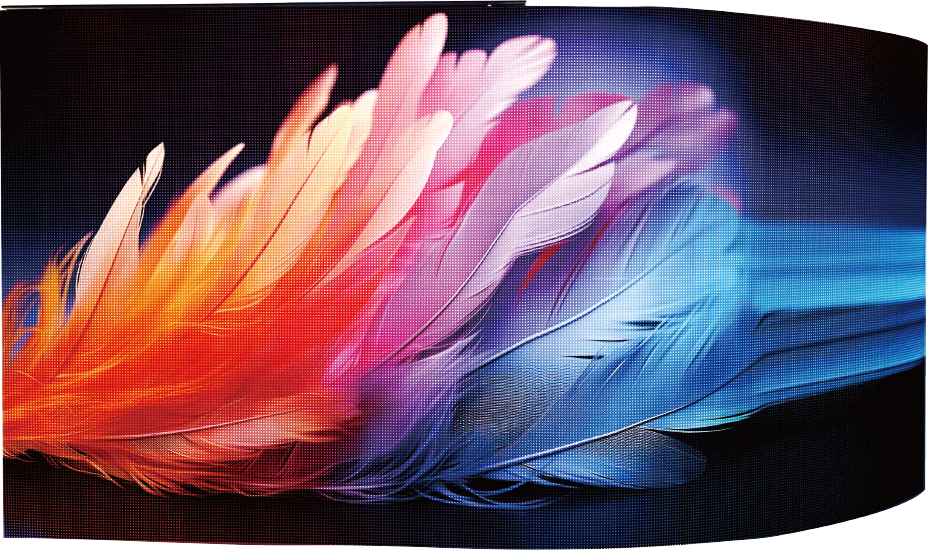
The LEDMAN GM Flexi is a specialized solution designed for the most demanding creative applications. It is engineered to meet the needs of designers who require both high performance and structural adaptability.
- One of its standout features is the support for 14 adjustable curved angle options, which allows for precise control over the final shape of the screen.
- Technically, the GM Flexi delivers an impressive 7680Hz refresh rate, ensuring that video playback is fluid and flicker-free.
- It also features high grayscale performance, which results in deep blacks and accurate color reproduction even at lower brightness levels.
Whether the project is a high-end retail flagship store, a complex stage production, or a permanent architectural media installation, this product provides the reliability and visual impact required for modern digital spaces.


