







The cost of an LED wall can range from several thousand dollars to more than $100,000. The final amount depends on the screen size, pixel pitch, installation environment, control system and service requirements. Therefore, buyers should compare complete project quotations rather than panel prices alone.
This guide explains the main cost factors and how to prepare a practical LED wall budget in 2026.
How Much Does an LED Wall Cost in 2026?
Published US market estimates indicate that a complete installed system may cost approximately:
| LED wall type | Typical pixel pitch | Estimated installed cost |
|---|---|---|
| Outdoor LED wall | P4 to P8 | $400 to $900 per sq. ft. |
| Standard indoor LED wall | P3 and above | $500 to $900 per sq. ft. |
| Medium pitch indoor wall | Around P2.5 | $900 to $1,600 per sq. ft. |
| Fine pitch LED wall | P1.5 to P1.9 | $1,500 to $2,500 per sq. ft. |
| Ultra fine pitch display | Below P1.2 | $2,500 to $4,000 or more per sq. ft. |
These figures represent broad installed price ranges rather than fixed rates. Local labor, freight, import duties, structural requirements and service coverage can change the final quotation. Factory direct panel prices are usually lower because they may exclude the controller, mounting structure and installation.
What Determines LED Wall Cost?
Screen Size
Screen area has a direct effect on hardware cost. A larger display requires more modules, cabinets, power supplies and receiving cards. It may also require a stronger supporting structure.
A preliminary hardware estimate can be calculated as:
Screen area × quoted price per square meter or square foot
However, some costs do not increase at the same rate as screen area. A video processor, site survey or control computer may have a similar price for two walls of different sizes.
Pixel Pitch
Pixel pitch is the distance between the centers of two neighboring pixels, measured in millimeters. A smaller pitch places more pixels within the same area and normally increases the display price.
The approximate number of pixels per square meter is:
1,000,000 ÷ pixel pitch²
For example, a P2.5 display contains about 160,000 pixels per m2, while a P1.5 display contains about 444,444 pixels per m2. Reducing the pitch from 3 mm to 1.5 mm produces about four times the pixel density.
The smallest available pitch is not always necessary. The appropriate choice depends on viewing distance, content resolution and screen dimensions.
Indoor and Outdoor Requirements
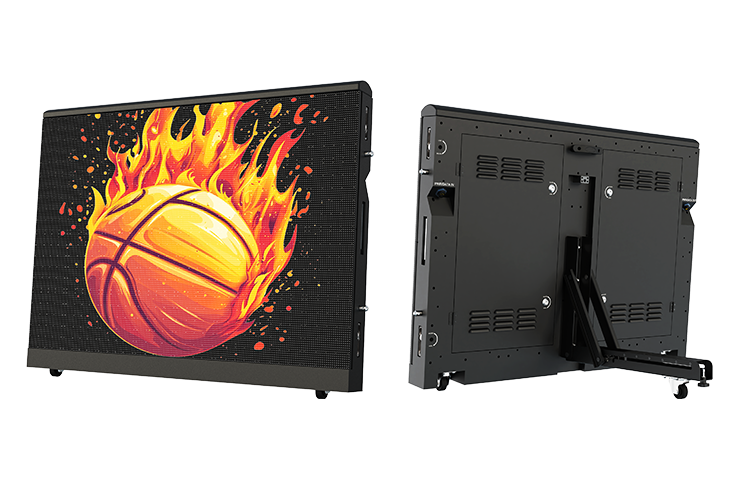
Outdoor LED walls require higher brightness and stronger environmental protection. Their cost may also include weather sealed cabinets, temperature management, corrosion protection and wind load engineering.
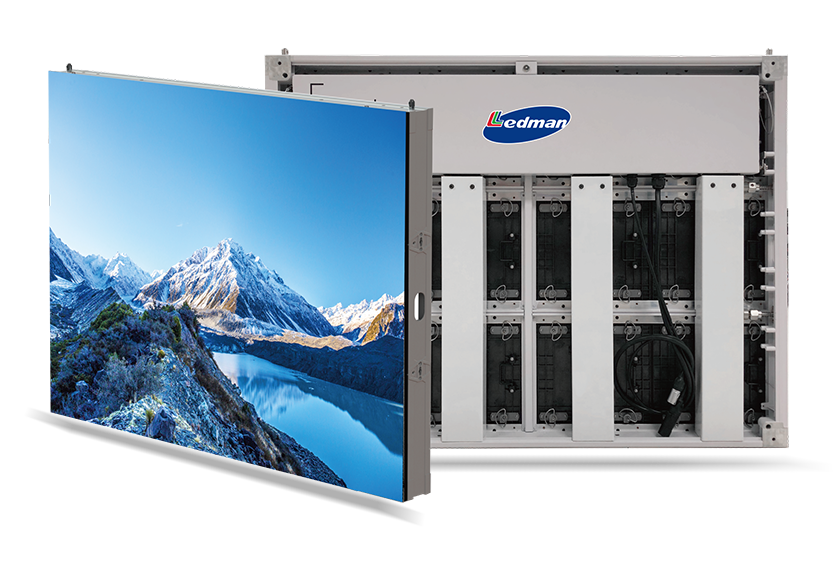
For example, the LEDMAN L Pro Series supports pixel pitches from P2.5 to P6.25, brightness up to 7,500 nits and an ingress protection rating of IP65. In comparison, indoor displays often operate at lower brightness because direct sunlight is not a concern.
Display Technology
Costs Beyond the LED Panels
The LED panels may represent only part of the complete project budget. A detailed quotation should identify the following items:
A 2026 public contract for a 25 ft by 10 ft outdoor P4 LED wall illustrates this difference. The LED display represented about 50.2 percent of the total contract value. The mounting structure represented about 13.2 percent, while three years of post warranty maintenance represented about 20.4 percent.
Cost Considerations by Application
Electricity and Long Term Operating Cost
The purchase price does not show the complete financial impact of an LED wall. Buyers should also calculate electricity, cooling, maintenance and replacement parts over the expected operating period.
Annual electricity cost can be estimated as:
Average power in kW × daily operating hours × operating days × electricity rate
Average power is more useful for budgeting than maximum rated power. Actual consumption changes with screen brightness, displayed content and automatic brightness settings.
The average US commercial electricity price was 13.97 cents per kWh from January through July 2026, according to the US Energy Information Administration.
How to Control LED Wall Cost
Cost control begins with matching the specification to the application. Buyers can avoid unnecessary spending by taking several practical steps:
A lower hardware quote does not necessarily produce a lower total cost. Missing processors, structures, spare parts or local service can create additional expenses after the order is placed.
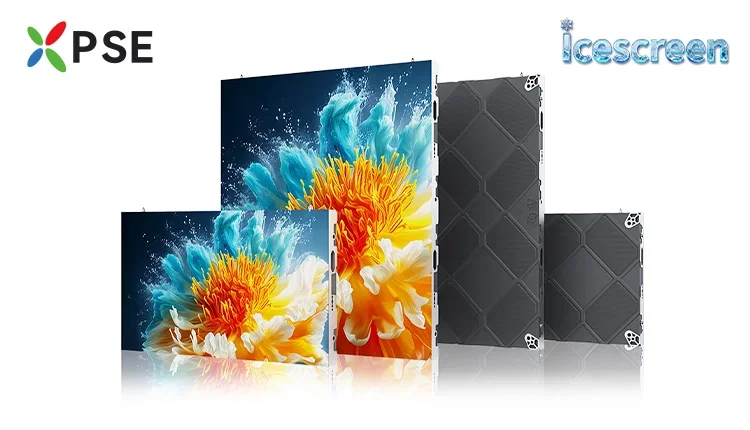
Why Choose LEDMAN?
LEDMAN has more than 20 years of experience in LED display research and manufacturing. Its product portfolio covers SMD, COB and Micro LED technologies for indoor, outdoor and fine pitch applications.
LEDMAN has developed a patented PSE for the energy saving cold screen solutions. This technology can reduce power consumption by up to 50 percent under comparable brightness conditions. Lower energy use can reduce electricity and cooling costs, which are important parts of long term LED wall ownership.
LEDMAN also supports overseas projects through its subsidiaries and distributor network. Available services include project design, technical training, installation guidance and international after sales support. Product materials, project cases and joint marketing resources are also available to help local partners develop new opportunities.
LEDMAN welcomes cooperation with overseas dealers, distributors and project partners. Buyers can request a project specific quotation based on screen size, pixel pitch, operating environment and service requirements.


